
Celosia is a hardworking group of plants grown for their fuzzy, velvet-like flowers that come in a distinct range of shapes, including fans, plumes, and brains. They are vigorous, free-flowering, and easy to grow.
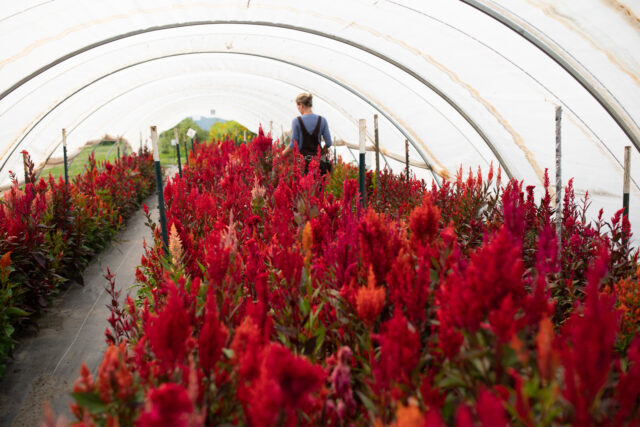 They love hot, dry weather and require very little care. In addition to producing an abundance of gorgeous, textural stems that are a wonderful accent for arrangements, they can be dried and used any time of the year.
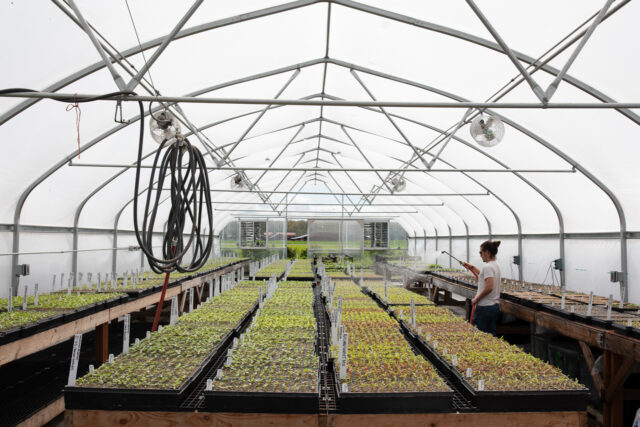 Because celosia is very cold sensitive, even the slightest nip of frost will be the end of them, so don’t start seeds too early. We wait until about 6 weeks before our last spring frost to sow them in trays in the greenhouse, and we hold off on planting out until the weather has sufficiently warmed.
Celosia can also be direct-seeded into the garden when outside temperatures are above 60°F (16°C). Seeds are very tiny, so don’t bury too deeply when planting.
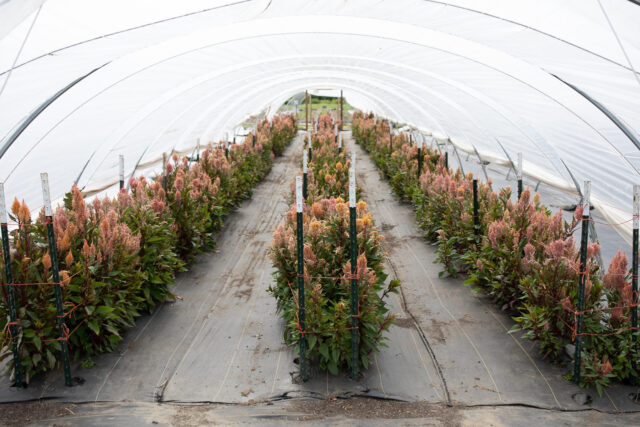 In our cool maritime climate, celosia must be planted under cover in order to thrive, but in warmer parts of the world, they do great outside.
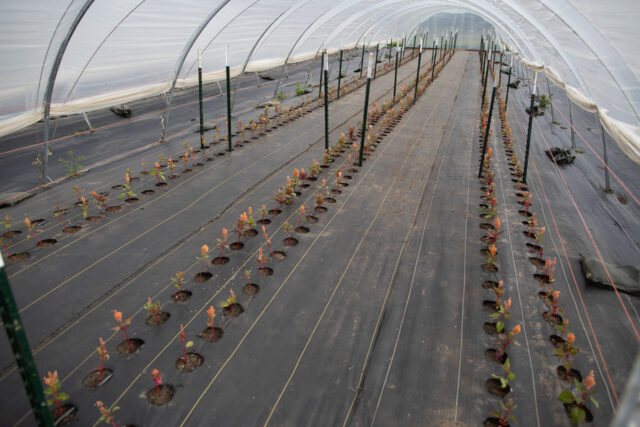 Like every flower grown on our farm, we try to give them the best start possible and prepare our planting beds with a generous dose of compost and organic fertilizer. Learn more about soil preparation here.
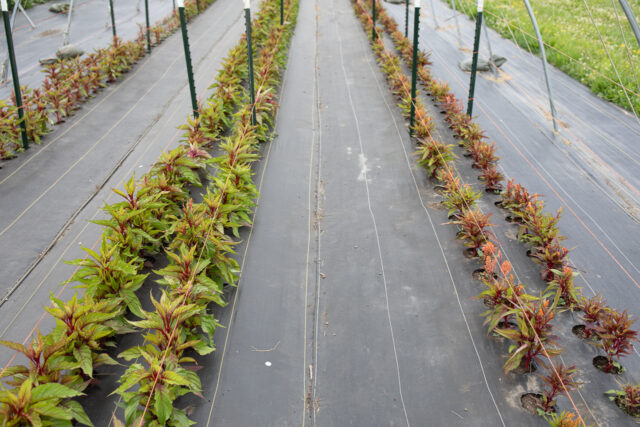 Once planting beds are prepared, we lay down drip irrigation lines and then cover the beds with a layer of preburned landscape fabric. The landscape fabric adds heat and suppresses weeds, but it’s not necessary for success.
Plants are spaced 9 to 12 in (23 to 30 cm) apart and are watered deeply twice a week, sometimes more in hot weather.
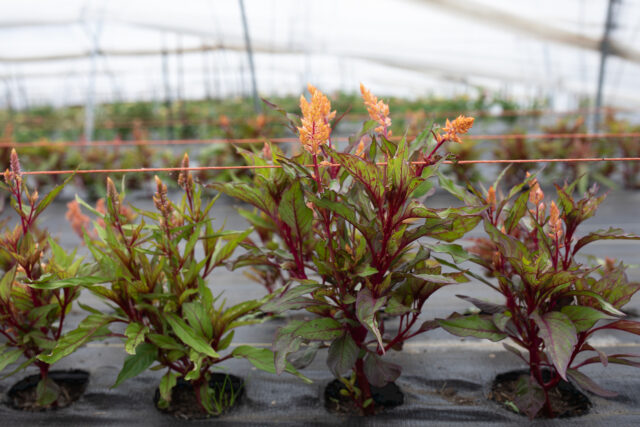 When plants are about 6 to 8 in (15 to 20 cm) tall, we give them a hard pinch by snipping the top 3 to 4 in (7 to 10 cm) from the central stem. This encourages abundant branching from the base, resulting in dozens of perfectly sized stems from each plant.
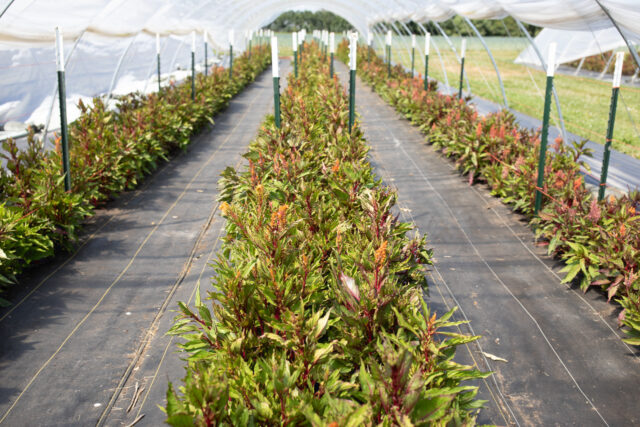 For taller varieties, be sure to corral or stake plants to support their lush growth and keep plants from toppling over.
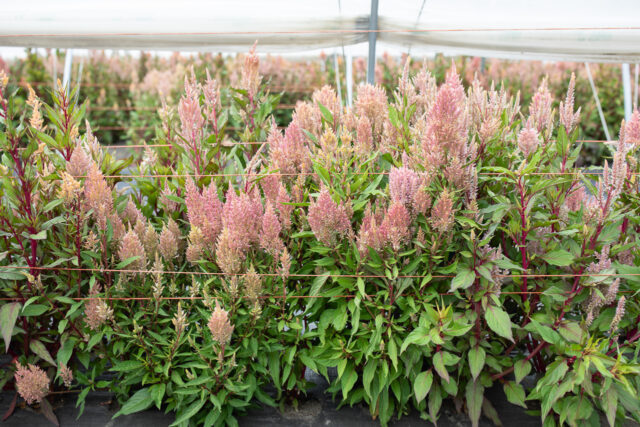 If planting your celosia in long rows, they can be corralled by pounding heavy stakes or T-posts around the perimeter of the bed and using bailing twine to create a string-lined box to hold the plants upright. If they are being grown in the landscape, individual plants can be tied to stakes using twine.
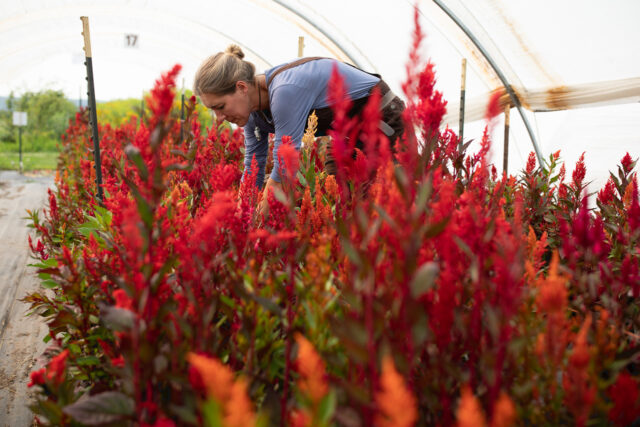 Flower heads get bigger as they mature, so pick them when they are the size you want but before they go to seed. Strip 80 percent of the foliage off during harvest, since it will wilt long before the flower heads fade in the vase.
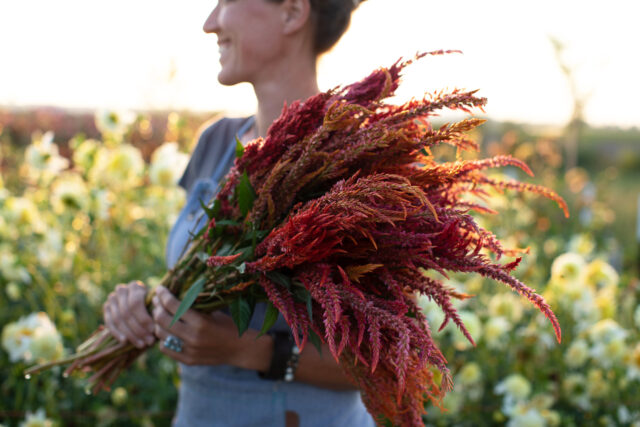 Celosias are an insanely long-lasting cut flower, often persisting for up to 2 weeks without preservative.
Flowers can also be dried for later use. To dry, hang freshly cut stems upside down in a warm, dark place for 2 to 3 weeks or until they are firm to the touch.
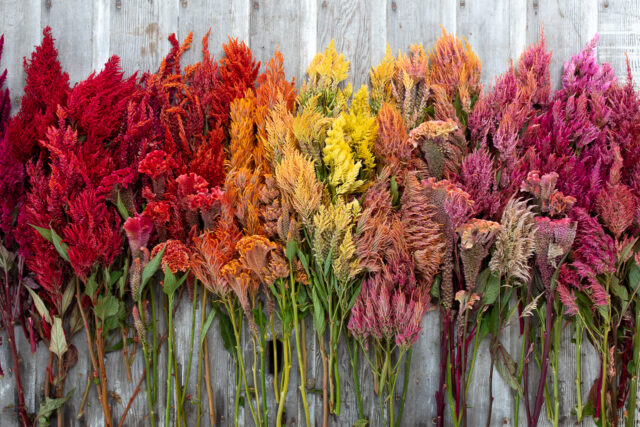 Celosias are often overlooked and treated more as a foliage or filler. However, once you discover all of the shapes, sizes, and colors available, and their versatility for arranging, you’ll be hooked. Plus, they are one of the easiest flowers to save seeds from.
I’ve grown and documented hundreds of varieties of celosia over the years. If you want to see which ones are my very favorite, visit the celosia section of the Floret Library.
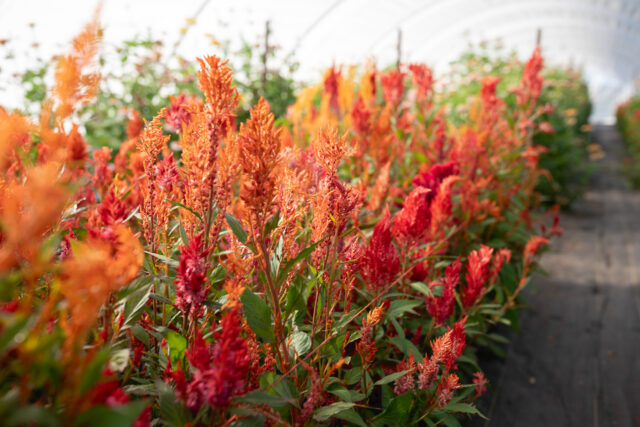 I would love to hear about your experience with this wonderful group of plants. Do you grow celosia or plan to add them to your garden this coming season? If so, what are your favorite varieties?
Please note: If your comment doesn’t show up right away, sit tight; we have a spam filter that requires us to approve comments before they are published.

Chandi on
Hello, I seeded outside in a sunny area. We are in 9b. Not one of them came up? Super bumbed. All the Zinnas I planted came up great. 100%. New soil. Ideas to share?