
When it comes to growing your own foliage and fillers, the possibilities are endless, but even with all the choices available, I still find myself returning to the same plants year after year. Although I have many, many favorites, I consider these tried-and-true varieties the backbone of a cutting garden.
 If you’re looking to add some versatile plants to your garden or farm this coming season, specifically for arranging, here are some of my top picks, organized by category. All of these varieties are incredibly hardworking and produce an abundance of material for cutting over a long period of time.
 Annuals
Annuals are the fastest, easiest, and most affordable group of plants to grow, making them perfect for beginners. I like to think of them as the cutting gardener’s training wheels: They build your confidence and experience so you can branch out into the other plant types that require more of an investment. The following list includes all of my favorite annuals for arranging, and you can find sources for many of them in our Favorite Specialty Seed Sources blog post.

 Basil
Basil
Basil is one of the most fragrant, easy-to-grow, and abundant summer foliage plants, and your summer and fall bouquets will never be the same with it in the garden. ‘Aromatto’ features tall, deep purple stems, glossy bicolor plum-veined leaves, and brilliant amethyst flower spikes. The aromatic foliage boasts a spicy combination of licorice and mint.
The unforgettable scent of ‘Cinnamon’, a longtime favorite of mine, paired with its dark purple flowers atop green leaves and chocolate-colored stems, makes it a wonderful addition to bouquets. And ‘Mrs. Burns Lemon’, with its bright green leaves and stems, white flowers, and light, citrusy aroma, gives arrangements a fresh, clean look and fragrance.


 Celosia
One of the most hardworking and often-overlooked plants in the cutting garden, these heat-loving flowers are grown for their fuzzy, velvet-like blooms and are useful both fresh and dried. They couldn’t be easier to grow and produce buckets of beautiful textural material from high summer through late autumn.
Flowers come in a distinct range of shapes, including fans, plumes, and brains. I find that the plume varieties are the most versatile when it comes to flower arranging and have a soft spot for our farm-bred mixes, including ‘Autumn Blaze’, ‘Rose Gold’, ‘Spun Sugar’, ‘Summer Sherbet’, and ‘Vintage Rose’.


 Cress
Cress
This is one of the easiest, hardest-working textural ingredients you can grow. If picked fully ripe, stems can be used out of water without wilting. Great both fresh and dried, you can’t go wrong with cress when it comes to weddings and wearable flowers.
You’re sure to find a favorite in this list, but I like to grow a little bit of them all: ‘Attraxa’, ‘Emerald Beads’, ‘Green Dragon’, ‘Pennycress’, and ‘Wrinkled Crinkled’.


 Geraniums
These heat-loving plants produce a bumper crop of foliage that is wonderful in arrangements, especially centerpieces. Although they’re technically perennials in very mild climates, I start with new plants each season and am always amazed at how prolific they are. Geraniums do well in containers as long as they are watered regularly. It’s important to pick them during the coolest parts of the day and condition stems properly before using; otherwise, they tend to wilt.
If you’re looking for the best scented geraniums, look no further than ‘Attar of Roses’, ‘Chocolate Mint’, ‘Endsleigh’, ‘Fragrant Frosty’, ‘Lady Plymouth’, and ‘Lime’. I also really like the fancy-leaf geranium ‘Mrs. Pollock’ for its showy leaves.
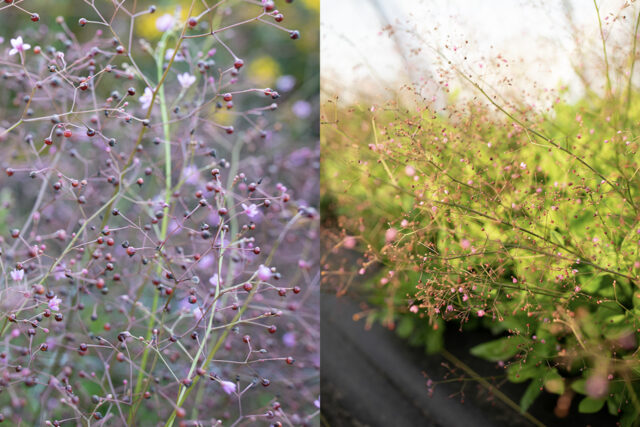
 Jewels of Opar
These plants produce an abundance of glittering stems covered in miniature, cranberry-colored, bead-like pods from late summer into autumn. During their flowering window, I find myself incorporating them into almost every arrangement I make. When we sold to florists, they always went crazy for them.
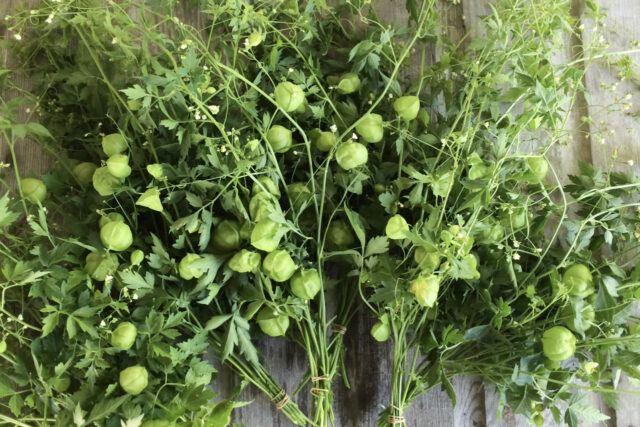
 Love-in-a-Puff Vine
Few things rival the delicate beauty of a fully blooming love-in-a-puff vine. The long, ferny-leaved vines are loaded with tiny white blossoms and the most interesting green, balloon-like pods that resemble miniature paper lanterns. Woven into an arrangement, this beauty will take any creation to the next level.


 Mignonette
These vanilla-scented workhorses produce beautiful wands of creamy flowers that bloom over a long period of time. As the flowers fade, they are followed by darling textural seedpods that look like miniature green lanterns. But the best part about these flowers is how much the pollinators love them. There are often so many bees on the plants that harvesting can be a little tricky.
‘Garden Mignonette’ has long, snaking stems capped with creamy white flowers with a delicate orange center. ‘White Mignonette’ is more of an upright grower and its graceful stems are covered in glowing, snow-white flowers.
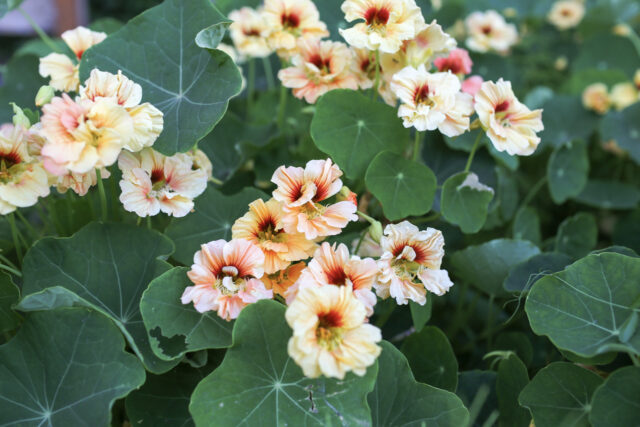
 Nasturtium
Many years ago, I discovered how wonderful nasturtium vines and flowers are for arranging with. Although they have a delicate appearance, they are surprisingly tough and long lasting in the vase. I love weaving their trailing vines into bouquets, and their leaves remind me of miniature lily pads.
For arranging, I like to choose sherbet-toned varieties because I find them to be the most versatile. ‘Cherry Rose Jewel’, ‘Gleam Salmon’, and ‘Tip Top Pink Blush’ are my go-tos, as well as the pale yellow variety ‘Yeti’.


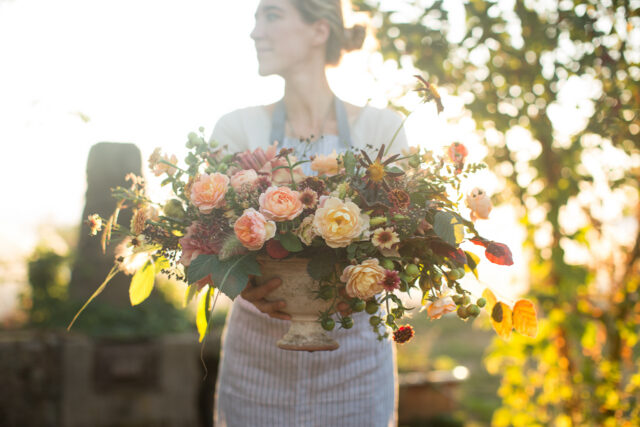 Orach
Orach
Of all the foliage plants we cultivate here on the farm, orach is one of the most useful and easiest to grow. Early in the season, plants produce lush foliage that holds an incredibly long time in the vase. Later, its long branches of multicolored, textural seed wands work as a wonderful bridging ingredient.
I love ‘Golden’ and ‘Triple Purple’, but gravitate toward ‘Ruby Gold’ for arrangements because of its stunning coloring that’s a blend of dusty rose and sunbleached moss.

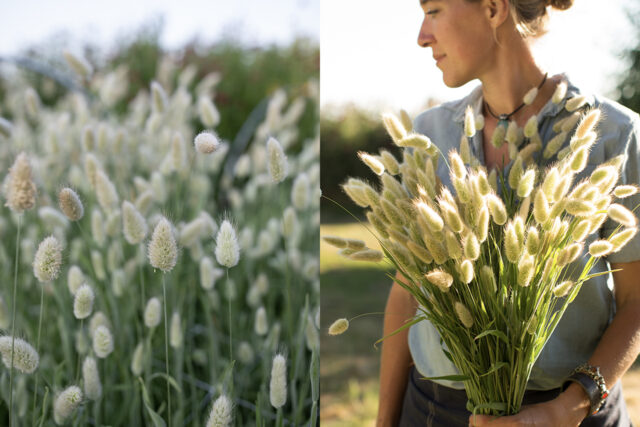
 Ornamental Grasses
One of the fastest and easiest ways to add unexpected magic to an arrangement is to tuck a few stems of ornamental grasses into the mix. In addition to bringing unique visual interest to bouquets, grasses are drought tolerant and easy to grow, and they bloom for months from just one planting.
Some of my favorite annual grasses are ‘Bunny Tails’, ‘Feathertop’, ‘Frosted Explosion’, and ‘Quaking Grass’.

 Phlox
Phlox
This group of plants produces a steady stream of sweetly scented filler flowers all summer long. Phlox is easy to grow, productive, heat tolerant, and worth growing for the fragrance alone. Because of their multicolored blooms, they act as a great bridging ingredient.
‘Cherry Caramel’, ‘Crème Brûlée’, ‘Dulce de Leche’, and ‘Whipped Cream’ are wonderful straight colors and ‘Phlox of Sheep’ is a beautiful mix of pastel shades.

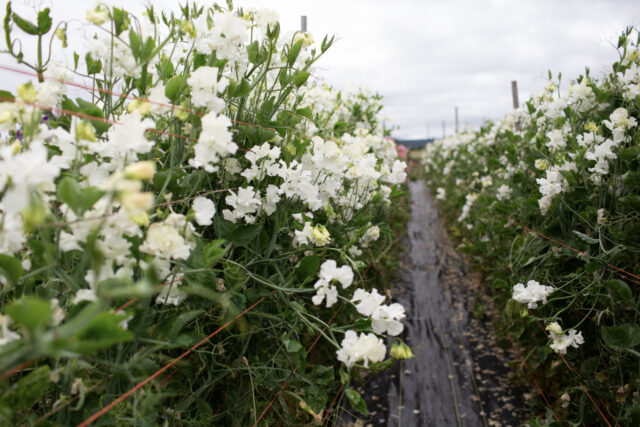
 Sweet Peas
In addition to being beautiful, fragrant cut flowers, sweet peas are also a wonderful source of foliage. Their lush, vining tendrils make a magical addition to arrangements of any size, from petite posies all the way up to large, showy urns.
Some of my favorite varieties that pull double duty for both flowers and foliage are ‘Jilly’, ‘Juliet’, ‘Limelight’, ‘Mollie Rilstone’, ‘Oban Bay’, and ‘Piggy Sue’. If you’re using them solely for greenery, I love ‘Azureus’, ‘Chloranthus’, and ‘Mrs. R. Penney’.

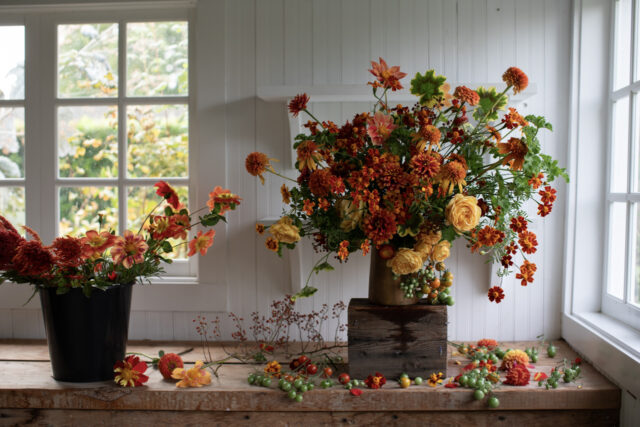 Tomato
One of my very favorite things to sneak into an arrangement, tomatoes are definitely a conversation starter. It’s important to choose varieties with an indeterminate habit, which means that they’ll keep growing taller, so you can cut from them all season long.
Although many varieties make beautiful fruit, more often than not they are easily bumped off the stem. I find that the currant varieties, like ‘Red Currant’ and ‘Yellow Currant’, are the best for arranging with because their clusters of miniature fruit cling tightly to the stem.
 Perennials
These relatively low-maintenance plants typically die back to the ground when cold weather arrives, but live through the winter and return each spring for a number of years, gaining in size and flowering ability with each successive year. I love this group of plants because they provide texture, sparkle, and versatile foliage and filler, some of which are delightfully fragrant. If you’re looking for resources, you can find our favorite specialty seed sources here and our favorite plant sources here.
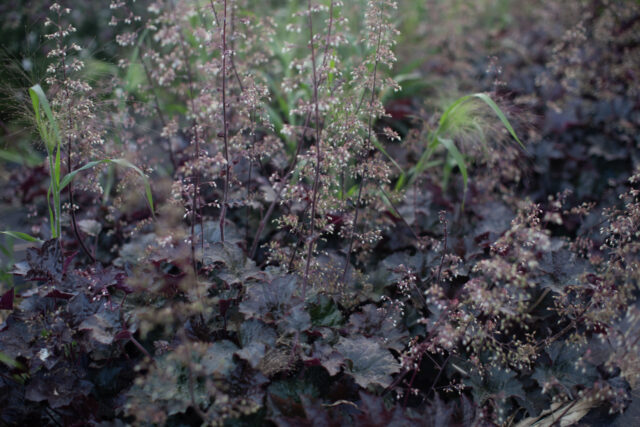

 Heuchera
Heuchera flowers are borne on long, wispy wands and make wonderful airy accents, but their leaves are the real draw. The foliage comes in an amazing range of unusual colors, such as plum, chocolate, copper, rust, chartreuse, and pomegranate, and are fantastic in shorter arrangements.
Lots of new breeding is being done with this group of plants, producing wild color combinations and varieties that are suitable for shade, partial shade, and full sun.
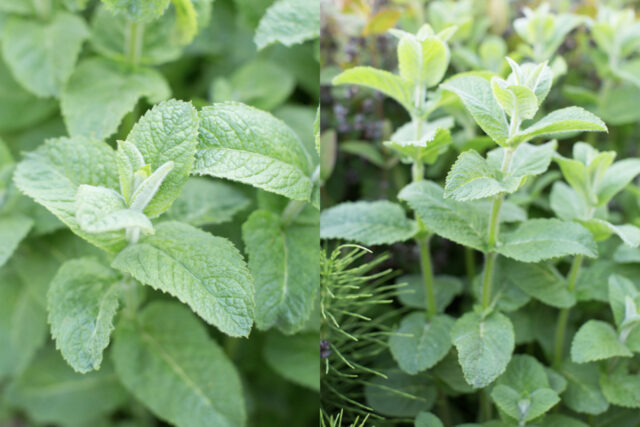
 Mint
Mint
Be warned that this plant grows where it wants and tends to spread, so choose its location wisely. I pick the scented foliage from spring through midsummer, and it ranks in my top five when it comes to useful foliage. I use apple mint and pineapple mint most often, but have recently added silver mint, chocolate mint, and spearmint. All are quite hardy and produce long, usable stems.
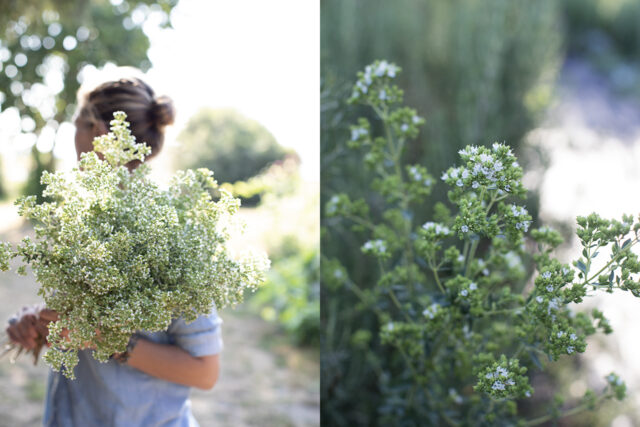

 Oregano
This common herb that blooms from midsummer to autumn is surprisingly one of the most useful textural plants we grow on the farm. Flowers are loved by bees and look beautiful in bouquets, but the best part is that when the petals drop, they leave behind the most beautiful, long-lasting, scented seed heads, which I use in many arrangements.
The cutting garden has a long row of all three of my favorites: Greek, ‘Herrenhausen’, and ‘Hopley’s Purple’. I recently also discovered the strongly scented Italian oregano. It makes a lovely textural filler and its seed heads look like tiny hops.


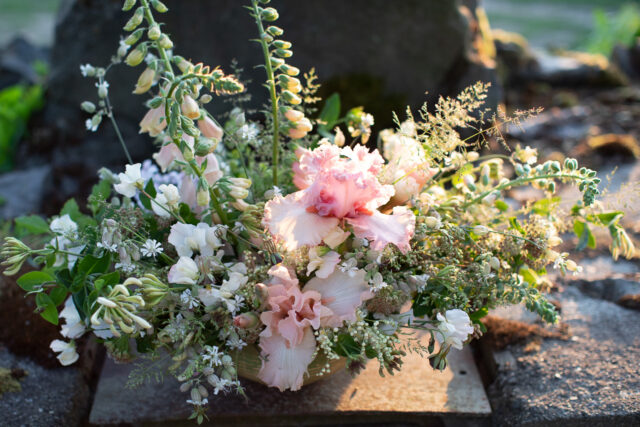 Silene
These extremely productive plants bloom abundantly from early summer through autumn. The tall, wispy stems are covered in miniature, balloon-like pods. They add a romantic and feminine quality to arrangements. Plants are very productive and just a few are probably all you need.
The variety ‘Blushing Lanterns’, with its gray-green stems and pale green pods veined with blush, makes a beautiful airy accent for wedding work.


 Yarrow
One of the easiest perennials you can grow, these tough, reliable plants are great in the garden and in the vase. Their lacy umbels come in a wide range of colors and are one of my favorite supporting ingredients to use in bouquets. To encourage plants to continue flowering, be sure to keep them deadheaded.
‘Firefly Peach Sky’ and ‘Terracotta’ are two beautiful sherbet-toned varieties. Summer Berries and Summer Pastels are both mixes of pastel shades that can be grown from seed, making them especially versatile.
 Shrubs
Shrubs are a wonderful source of material for cutting, especially if you have the space. Many produce beautiful flowers in the spring, followed by useful foliage in the summer and textural berries or seedcases in autumn. All around the farm we’ve experimented with plantings of small trees and shrubs that are both suitable for cutting and provide food and shelter for birds and wildlife.
If you’re looking for more information and planting inspiration, be sure to read Planting Hedges & Hedgerows to Invite Wildlife. And if you’d like to add any of these to your garden or farm, take a look at the “Trees & Shrubs” section of our Favorite Bulb & Plant Sources post.
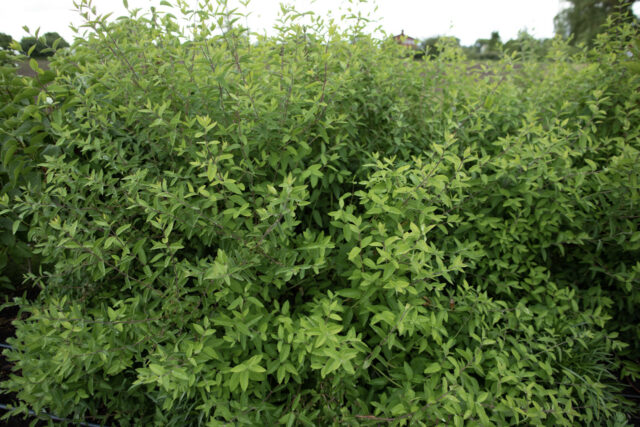

 Bush Honeysuckle
This is one of the most useful shrubs we grow on the farm and the first foliage we harvest come spring. The bright apple-green foliage mixes well with anything and is very long lasting. It is invasive in some parts of the country, so be sure to check before planting.

 Coralberry
Some of my favorite foliage to use in bridal bouquets and statement pieces comes from this unassuming shrub. Its leathery foliage takes on a chartreuse wash by midsummer and the tiny, rounded leaves are edged in copper, making it a great bridging ingredient. From late fall through February, the branches are smothered in miniature magenta berries that stay on the plant during the coldest parts of winter.


 Hydrangea
Although hydrangeas produce big, billowy flowers, I find myself using them as a textural ingredient, more like a foliage. They are a perfect addition to large-scale arrangements. PeeGee hydrangeas are some of the easiest, most productive shrubs you can grow. They bloom on new wood, so pruning is easy. The harder you prune them in winter, the larger their flowers will be in the summer. Plant multiple varieties to extend the bloom window from midsummer through autumn. This type of hydrangea does well in part to full sun, depending on your climate.
Flowers can also be dried. The cutting garden is stocked with all of my favorites, including ‘Bobo’, ‘Limelight’, ‘Little Lamb’, ‘Mega Mindy’, ‘Quick Fire’, and ‘Unique’.


 Mock Orange
I grow this old-fashioned favorite primarily for its beautiful, arching foliage, which takes on a chartreuse cast by midsummer. The easy-to-grow shrubs flower briefly in late spring and their blooms have a sweet, orange blossom fragrance. If the foliage is left to ripen and become leathery, it makes a great addition to bridal bouquets.
For arranging, I love the single-flowered ‘Belle Étoile’, the fluffy, double-flowered ‘Minnesota Snowflake’, and ‘Snowbelle’, which has double, bell-shaped blooms.

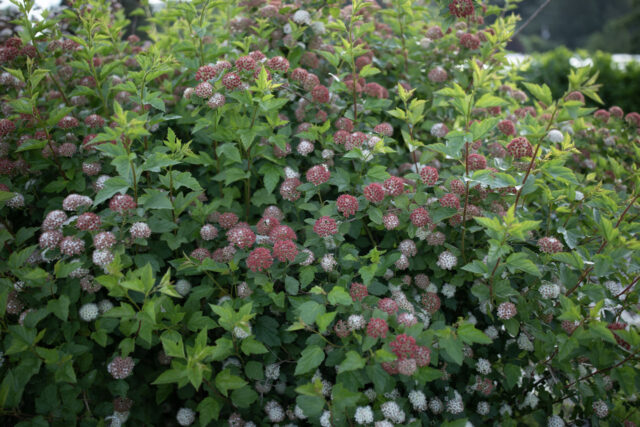
 Ninebark
These productive, easy-to-grow shrubs make excellent garden plants and are great for cutting. Ninebark comes in a wide range of colors, including purple, burgundy, copper, gold, and green. If left uncut for at least one growing season, older branches will flower and leave behind stunning seedcases that add a wonderful textural quality to arrangements.
‘Coppertina’, ‘Diabolo’, and ‘Summer Wine’ all have striking dark foliage. The native Western/Pacific variety has versatile, medium green foliage and beautiful cranberry seedcases.
 Raspberries
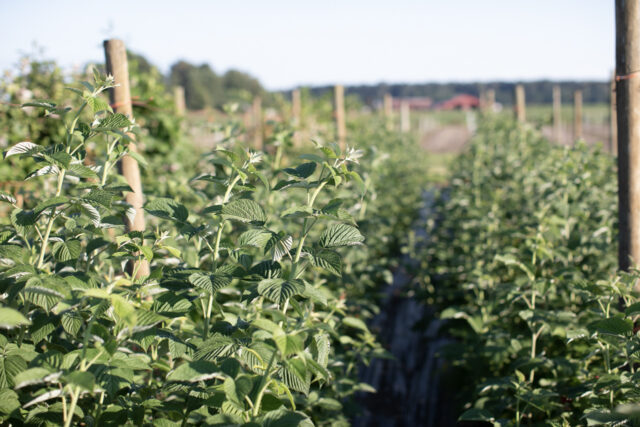
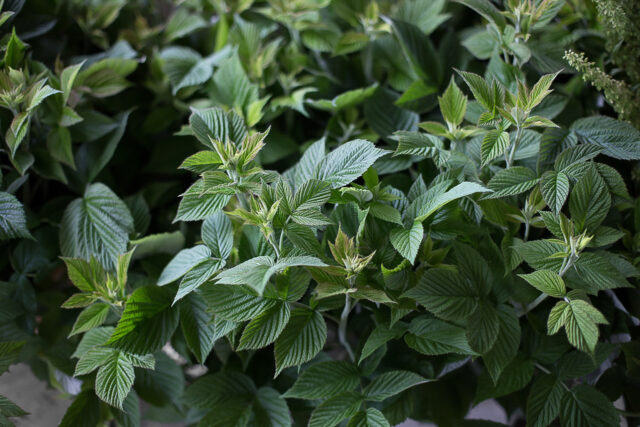
I grow two main types of raspberries for both eating and cutting. Ever-bearing types produce fruit for much of the season if some of the older canes are left on the plant. Although their stems are a bit thorny, they are a great addition to arrangements because their fruit holds very well on the branch. Summer-bearing varieties produce fruit during a brief window in July and a bumper crop of beautiful foliage that you can cut from all season long.
Raspberries are some of the best foliage plants you can grow. For cutting, I like to grow ‘Fall Gold’, ‘Heritage’, and the summer-bearing ‘Tulameen’.
 Viburnum
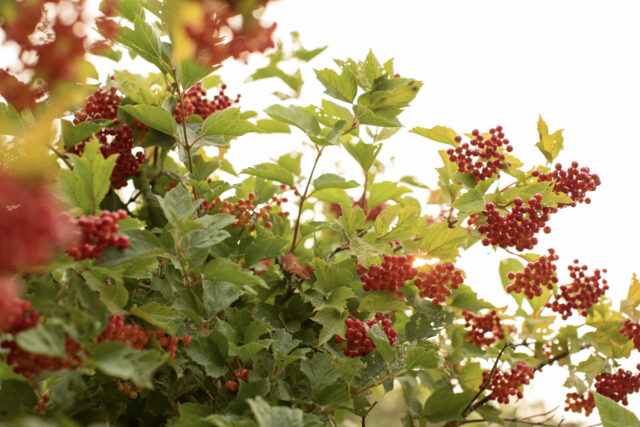
This family of plants is massive and most varieties are quite tough and easy to grow. Although many produce wonderful floral displays in late spring and berries in summer, my favorite varieties also have foliage that turns bronze as the season progresses. I love to use it in wedding work.
On the farm, we grow Highbush cranberry (Viburnum trilobum), ‘Popcorn’, and the darling, pink-flowered ‘Mary Milton’.
 Trees
Trees
I’ve listed this category last because not everyone has the space to plant trees, especially people with smaller gardens or more compact city lots. However, if you do have some extra room in the back corner of your garden or along your property line to plant a few trees, you’ll be happy you did. They help anchor the garden, provide afternoon shade, and produce loads of material for cutting for large-scale arrangements and arbors.
If you want to learn about the trees we’ve planted around the farm (and my personal favorite, crabapples), be sure to read Planting Hedges & Hedgerows to Invite Wildlife and Crabapples: A Tree for All Seasons. And if you’d like to add any of these to your garden or farm, you can check out the “Trees & Shrubs” section of our Favorite Bulb & Plant Sources post.
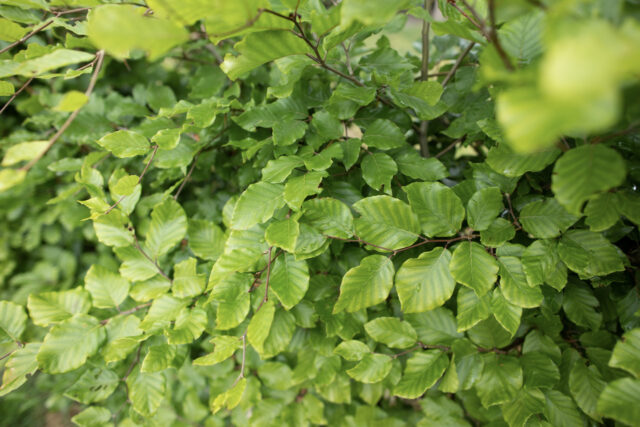
 Beech
Beech
One of the most widely grown trees in the U.K., beech trees are most often found in hedges and hedgerows. They produce beautiful, long-lasting green, purple, and variegated foliage. Once the foliage is ripe and leathery, it can be used out of water for large-scale installations, arbors, and wreaths.
I use the green European variety the most, but ‘Purple Fountain’ and ‘Tricolor’ are also great choices if you like working with darker tones.

 Crabapples
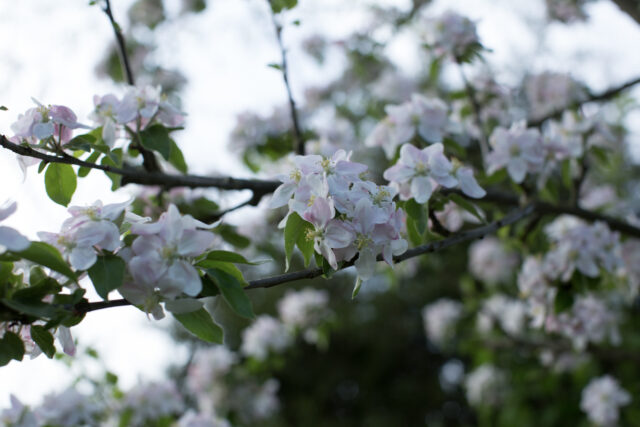
I have collected more than 120 unique varieties of crabapples, searching for the very best ones for cutting. I love these special trees because they are so versatile in the garden. In the spring, they produce clouds of blossoms, and in the summer their branches are adorned with tiny green fruit that changes color as autumn approaches. Be sure to remove most of the foliage after harvesting so that the fruit isn’t hidden.
While I love them all, I’ve found that ‘Evereste’, ‘Golden Hornet’, and ‘Sargent’ are the best for arranging.


 Hornbeam
Another popular hedging plant from Europe, hornbeam has some of the very best foliage for large-scale arrangements and installations. Once the foliage is ripe and leathery, it can be used out of water for arbors and garlands and looks fresh for days.
 I hope this post helps you discover a few new varieties to add to your garden this season. If you have a go-to foliage and filler plant that you can’t live without, I’d love to know what it is.
If you’re interested in seasonal floral design, you can learn more about our Flower Arranging Workshop here and sign up for the waitlist below.
Please note: If your comment doesn’t show up right away, sit tight; we have a spam filter that requires us to approve comments before they are published.

Mary Williams on
Erin,
Thank you so much for sharing your invaluable and inspiring information through your gorgeous helpful videos.
I am in a new home in Port Townsend ( lived in Anacortes/Skagit previously) and have a nice space for a garden and appreciate your guidance!
Come visit Port Townsend!
Mary Williams