
I have been a loyal and devoted chrysanthemum fan for many, many years now, but that wasn’t always the case. Back when we were growing cut flowers in large volume and delivering to grocery stores and florists throughout the Seattle area, the buyers and I would often marvel at how many mums were sold each week despite their hideous appearance.
The varieties that were being offered at the time were devoid of any natural beauty. Most had a very stiff, upright habit and their daisy-like flowers were often spray-painted, dipped in glitter, and sometimes even tie-dyed. There was nothing beautiful or special about them, and I never considered growing them because I thought that all mums looked like the ones that were sold in the supermarkets.
But that all changed when I walked through the most stunning patch of heirloom chrysanthemums growing on a friend’s farm, and to my surprise, I learned that there was an entire universe of amazing varieties just waiting to be discovered.
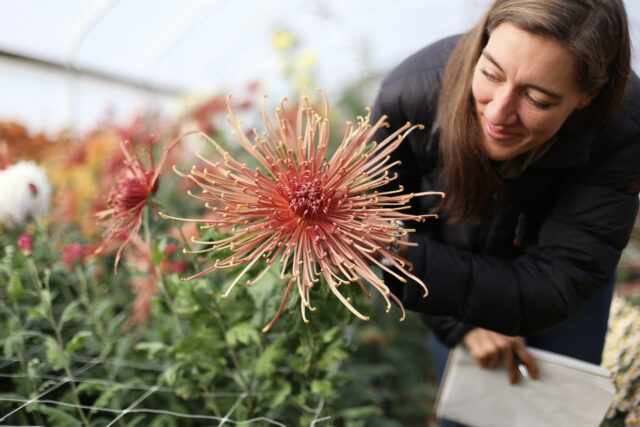
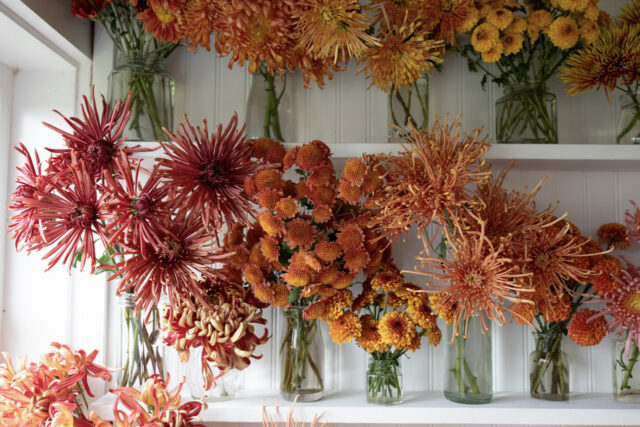 Once I’d been bitten by the chrysanthemum bug, I started collecting as many varieties as I could get my hands on.
In 2013, Chris and I visited King’s Mums, which at the time was located down in Oregon, to tour their production greenhouses in full bloom. I remember how overwhelmed I felt when they opened the doors to the first hoop house—between the sheer number of varieties and how insanely beautiful they all were, it was almost too much to take in.
You can read about our visit and see the beauty for yourself here.

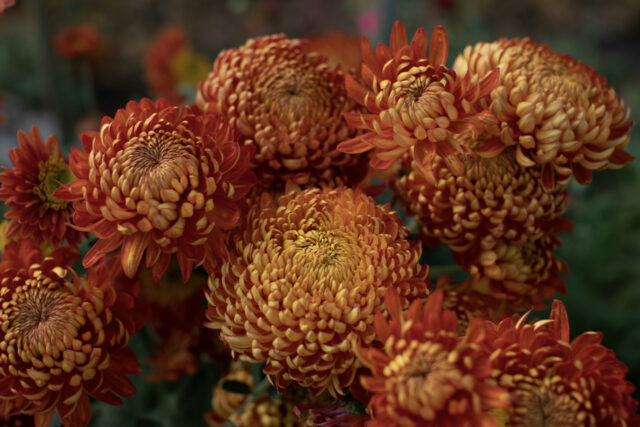
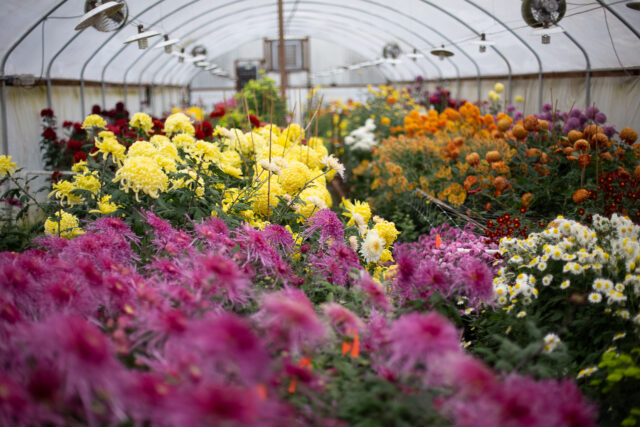 Since then, we have grown countless varieties in every shape, size, and color imaginable, from big, billowly blossoms the size of grapefruits, to long, spidery starbursts that look like they belong under the sea, to miniature, fuzzy buttons the size of marbles and everything in between.
Once you start digging, there are so many varieties to choose from and you’re sure to find at least a handful that you’ll love!
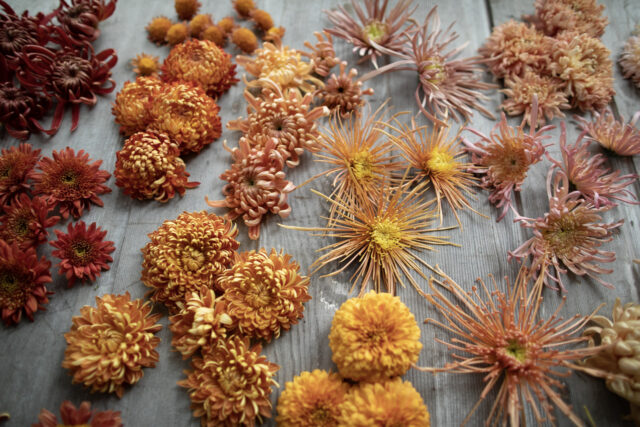 From a growing perspective, chrysanthemums are on the higher-maintenance side and require a little extra care throughout the growing season to get the most out of them.
During the summer months, I often find myself grumbling and questioning why I keep growing them, but as soon as fall arrives, I’m reminded that they are worth every bit of the extra effort. Their blooms are the last hurrah of the flower season and they arrive just as the rest of the garden is going to sleep.
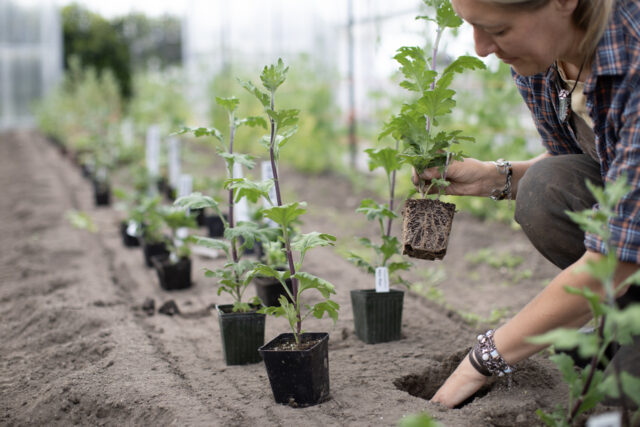
Mums are typically grown from small rooted plants, referred to in the trade as rooted cuttings. You can preorder cuttings from a number of specialty growers and they’ll be shipped to you in the spring.
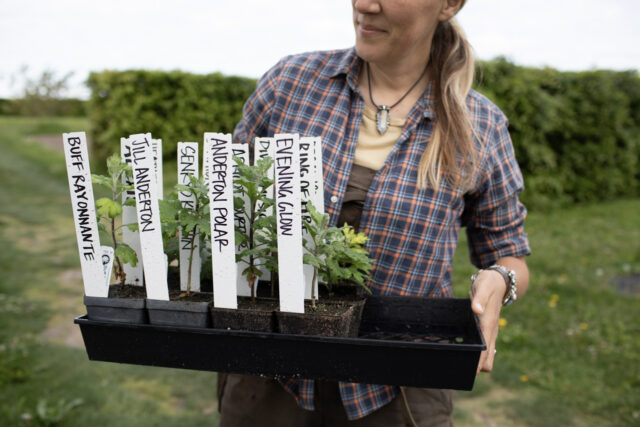
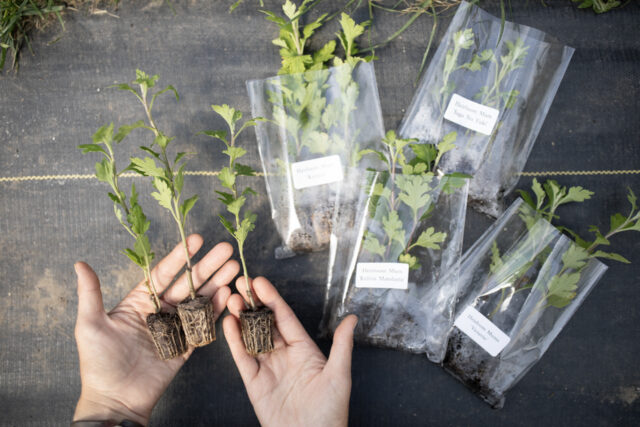
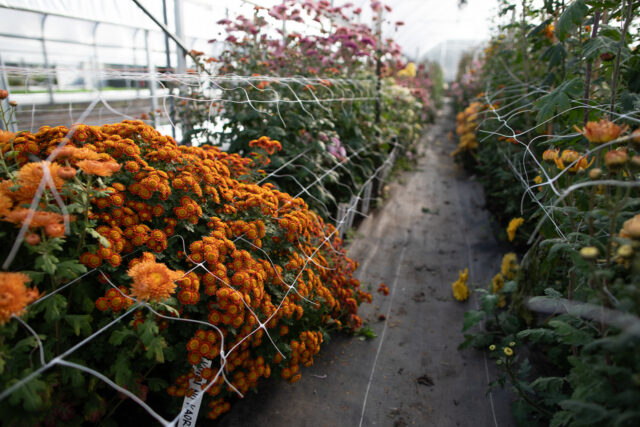
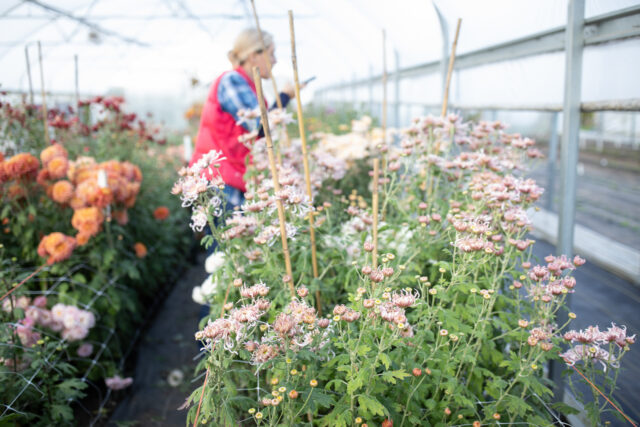
 Plants thrive in full sun and many varieties get quite large and bushy, so give them plenty of space to spread out and a strong support system to keep them from toppling over when they’re in full flower.
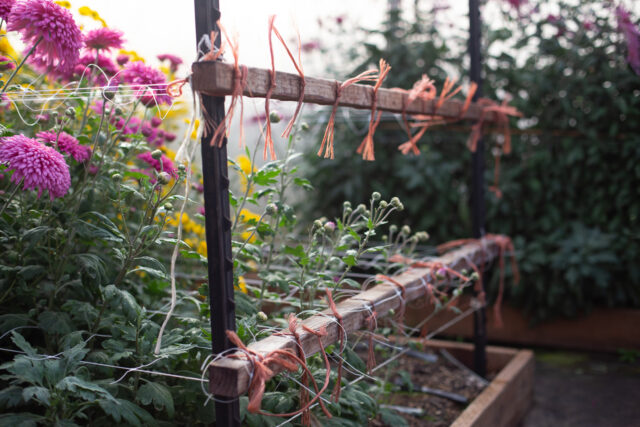
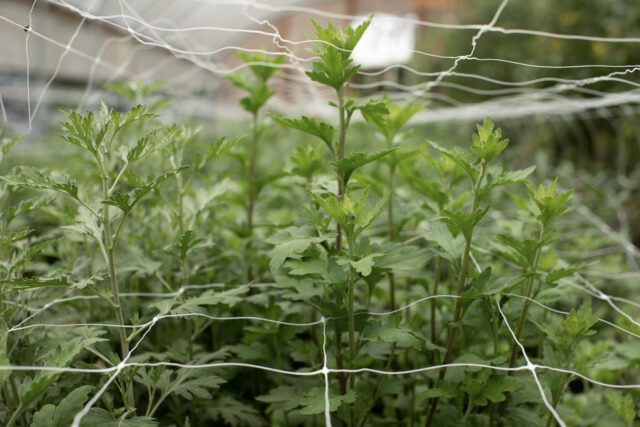
We plant ours 12 to 18 in apart and suspend two horizontal layers of flower netting to T-posts for them to grow up through. We attach the first layer about 18 in above the ground and the second layer 18 to 24 in above that.
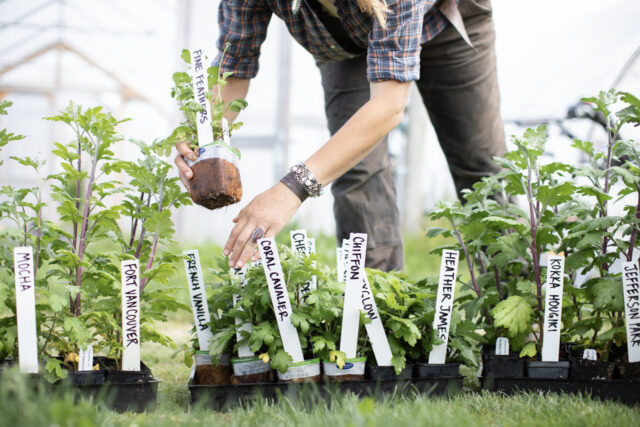
 For extra tall plants or heavy flowers, we sometimes stake them individually with bamboo canes.
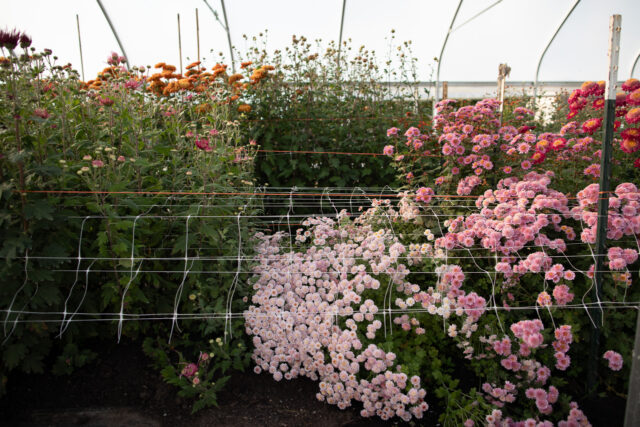
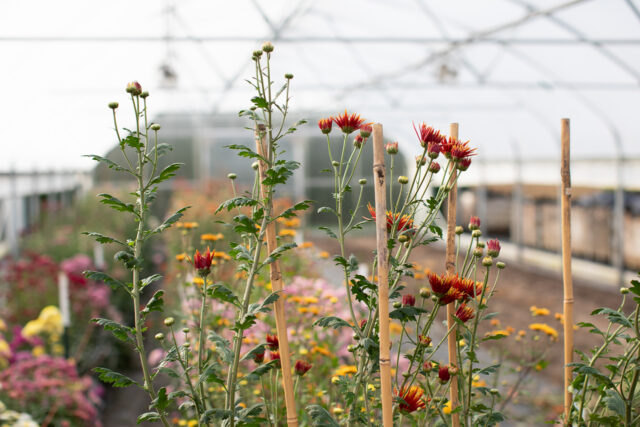 One thing that’s important to pay attention to when planning your chrysanthemum patch is to plant varieties with a similar height next to each other so you can give them the same trellising treatment.
Here you can see we didn’t do this and it made for a real nightmare, with the extra-short plants never reaching the netting and the super-tall ones towering overhead.
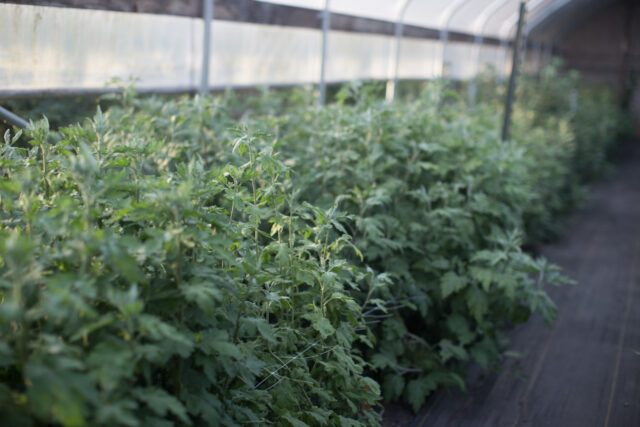
 Plants benefit from being pinched at least once, if not twice. In early summer we cut them back hard, to just 6 to 8 in tall, which always feels harsh, but this technique encourages vigorous branching from the base and increases the number of flowers per plant.
So even though it seems counterintuitive, do it anyway, because you’ll thank yourself in the end.

 Mums are quite prone to aphids, which always show up right around the time they start making flower buds. For heavy infestations, we spray plants with an organic insecticide like Pyganic or Venerate, which we get from Arbico Organics.
An organic option for a home garden scale is Safer soap.
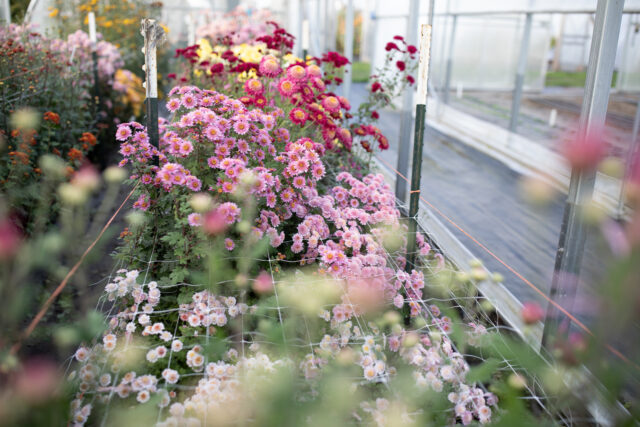
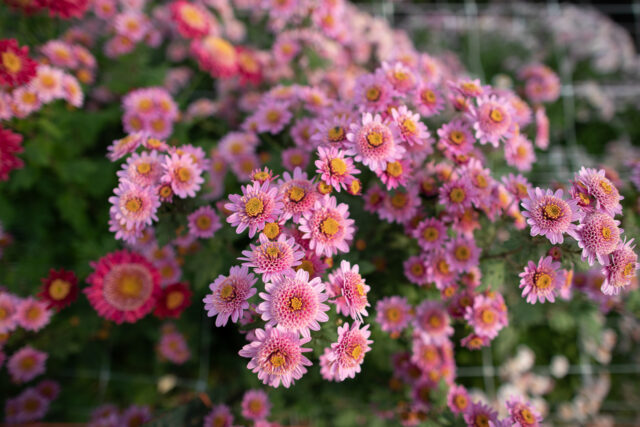 As the day length shortens in autumn, mums are triggered to start blooming. Depending on the variety, plants start flowering as early as late September and can continue through the end of November if they’re protected from frost.
One of my favorite new discoveries has been how many early-flowering varieties there actually are. These extra earlies are in full bloom by late September, plenty of time before our first fall frost.
While I’ve been growing them inside a hoop, next season I plan to try growing them out in the garden instead. Plants in this group are on the shorter side, so they also require less staking which is a nice treat.
You’ll find a photo below of the full early-blooming collection and I’ve also added notes to the library descriptions.
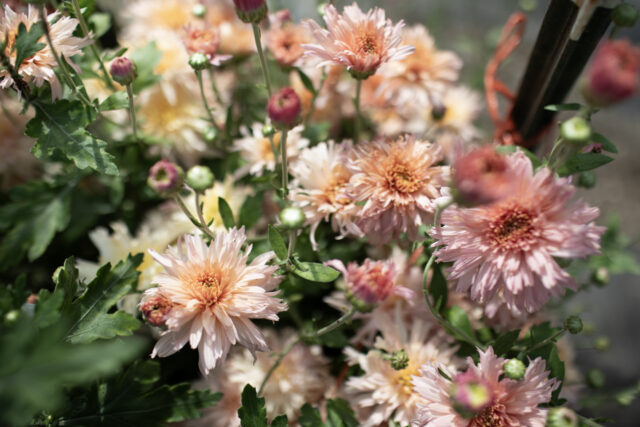
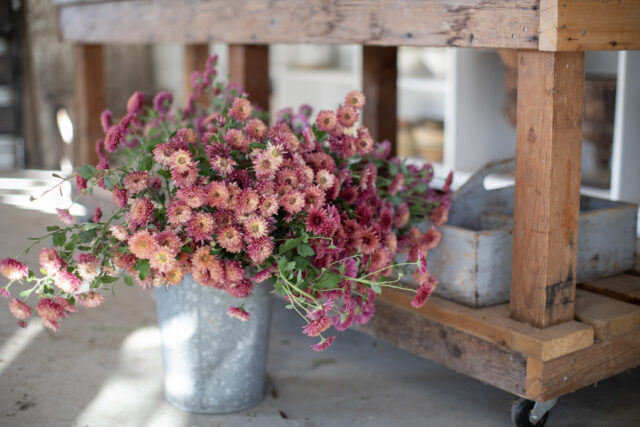 Although chrysanthemums are not cut-and-come-again flowers, if you grow a selection of varieties with different bloom times (early, mid, and late) they will produce an abundance of flowering stems for cutting for the better part of fall.
For the longest vase life, harvest flowers when they are about one-half to two-thirds of the way open (for spray varieties, harvest when one-quarter of flowers on a stem are open) and then remove most of the foliage on the stem. Flowers often last more than 2 weeks in the vase if picked at the proper stage.
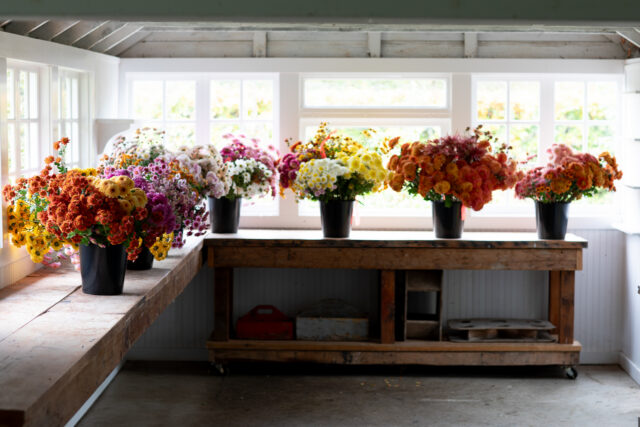
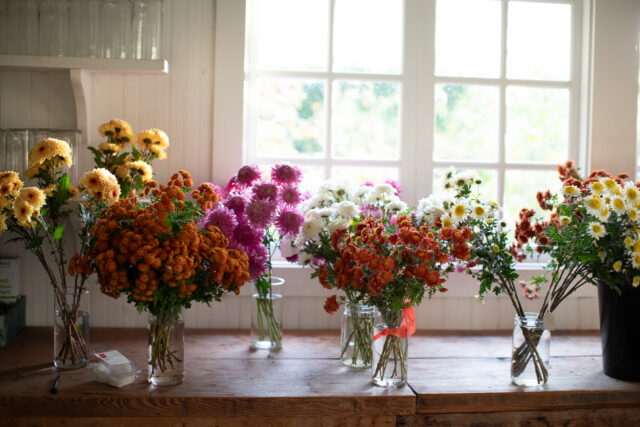 One of my favorite things to do is make up bouquets by color palette and include as many different varieties as I possibly can to give as gifts. People are always shocked by how many magical treasures are tucked into a single bouquet and are even more surprised when they learn that they are mums, a flower they thought they hated.
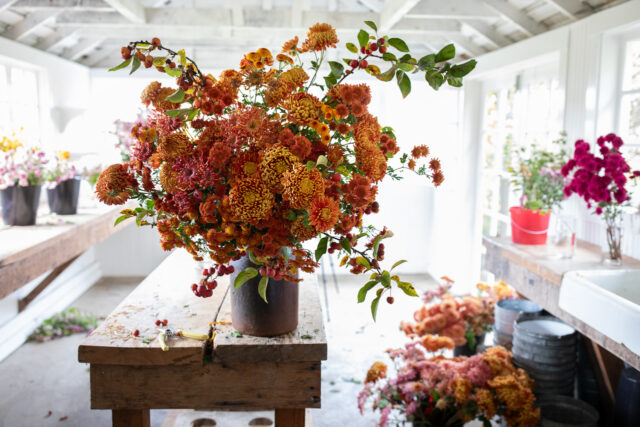 Although they are technically perennials, most chrysanthemums aren’t winter hardy, so they require protection from the cold. Here in the Pacific Northwest (USDA zone 7), we grow ours inside of a hoop house, which keeps their flowers from being damaged by frost.
After they’ve flowered in autumn, we cut plants back to about 6 in tall, dig them up, and store them in pots in our minimally heated greenhouse. You can always tuck yours into the garage or the basement as long as it doesn’t get too far below freezing. We’ve also experimented with overwintering them in the tunnel (mulched deeply with straw) and had good success.
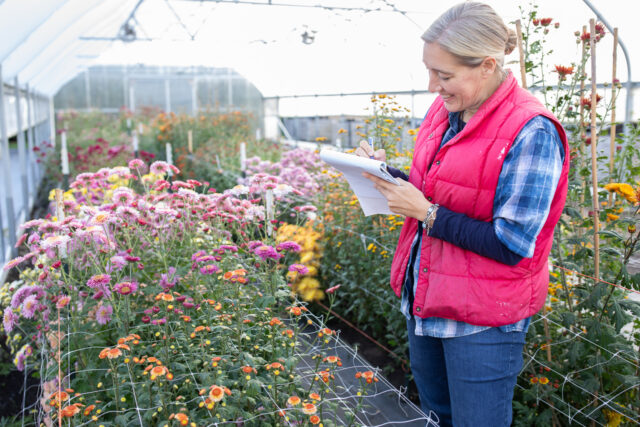
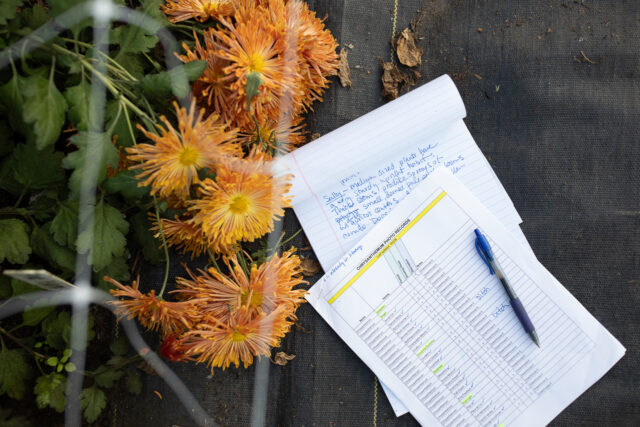 The last few years I’ve been trialing a bunch of new varieties and Chris and I documented each one. They’ve just been added to the Floret Library, which now features more than 110 cultivars!
Plants came from some wonderful specialty growers around the country, each with a slightly different offering. You can find more information about these sources in the “Chrysanthemums” section of Floret’s Favorite Bulb & Plant Sources.
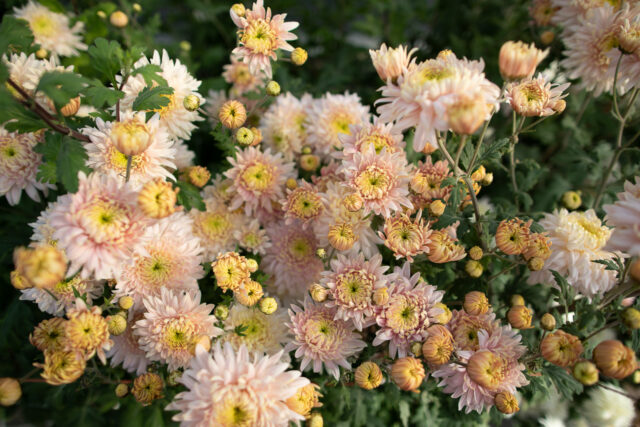 Below you’ll find some photos of many of my favorite varieties organized by color and also featured in arrangements. I’ve tried to ID them to the best of my ability, but you’ll see that there are a few mysteries.
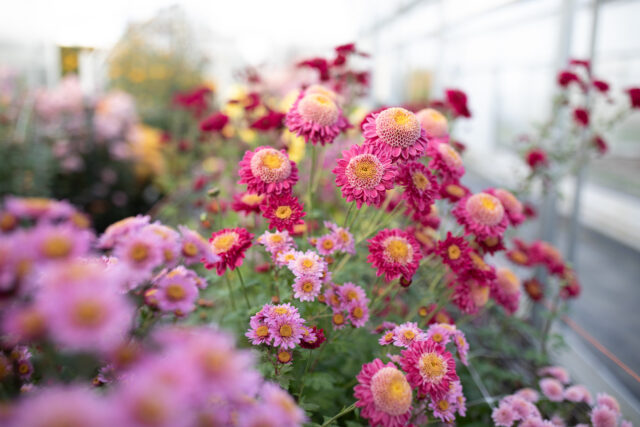
 This collection of pastel beauties are all extra early to flower. Their soft, romantic coloring makes them ideal for autumn wedding work and next year I plan to grow them outside.
Top: ‘Fine Feathers’, ‘Rome’, ‘French Vanilla’
Center: ‘Blush Strokes’, ‘Confetti’, ‘Royal Glamour’, ‘Fall Charm’
Bottom: ‘Homecoming’ (back left), mystery (front left and center are both the same unknown variety), ‘Jessica Louise’ (back center), ‘Chiffon’ (far right)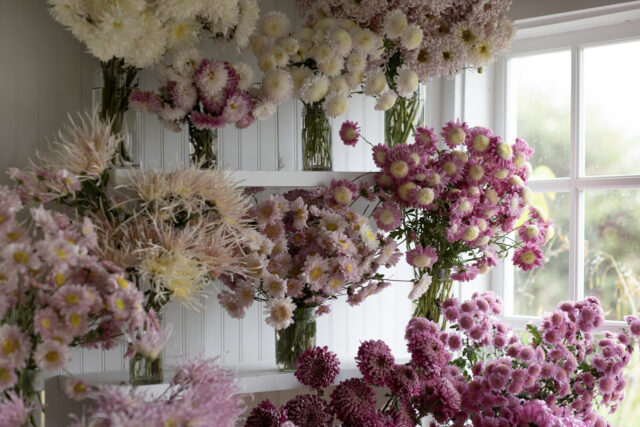
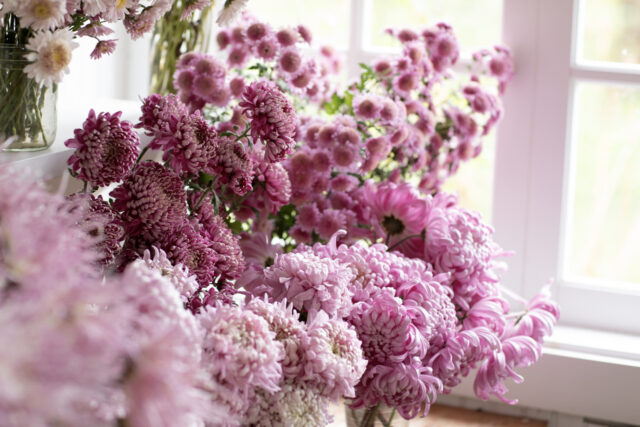
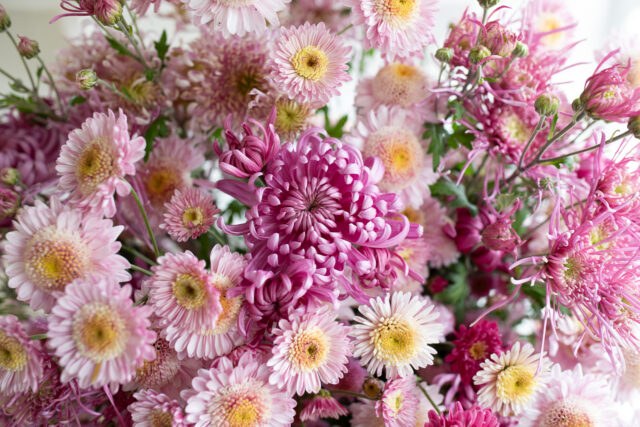
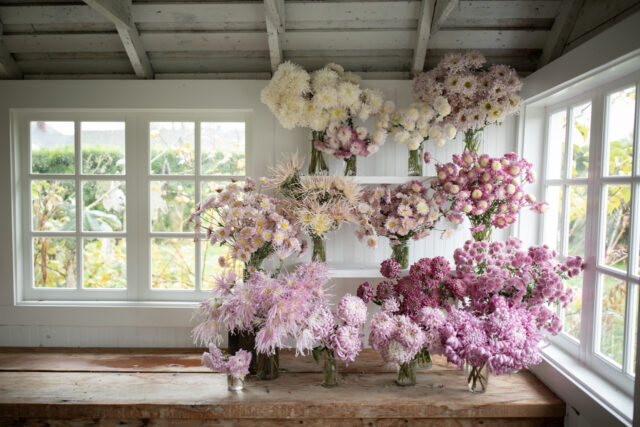 Fall tones typically come to mind when you think of chrysanthemums, so growing these flowers in cooler, pastel colors is such a fun surprise. Here are many of my favorite purple, lavender, and blush varieties, listed from left to right.
Top: ‘Seaton’s Je’Dore’, ‘Helen Mae’, ‘Polar Anderton’, ‘Satin Ribbon’
Center: ‘Lily Anderton’, ‘Evan’s Dream’, ‘Harry Anderton’, ‘Jill Anderton’
Bottom: ‘Gertrude’, ‘Flair’, ‘Jefferson Park’, ‘Norton Vic’, ‘Alexis’, ‘Kokka Hougiku’, ‘Pink Fleece’
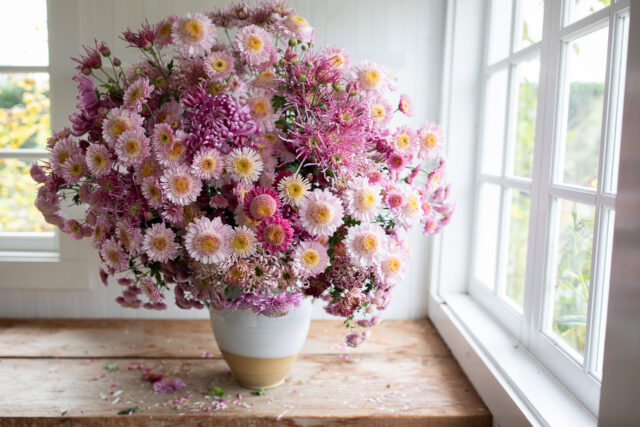 I made this big fluffy arrangement in my favorite Farmhouse Pottery vase and it includes ‘Harry Anderton’, ‘Lynn Anderton’, ‘Jill Anderton’, ‘Satin Ribbon’, ‘Moira’, ‘Pink Fleece’, ‘Gertrude’, ‘Kokka Hougiku’, and ‘Flair’.
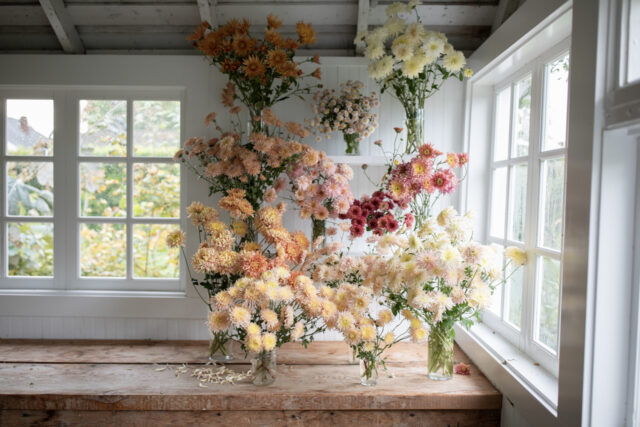
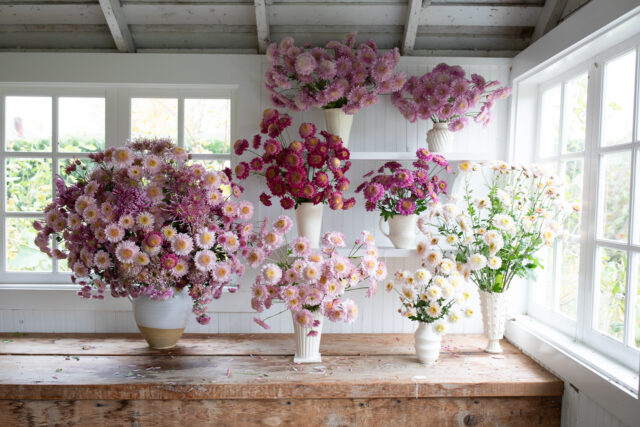 Another display of the beautiful Anderton mums, this time next to a big fluffy purple bouquet whose ingredients are listed above. Varieties on the shelf are in Frances Palmer vases and listed from left to right.
Top: ‘Lily Anderton’ in both vases
Middle: ‘Jill Anderton’ and ‘Lynn Anderton’
Bottom: ‘Harry Anderton’ and two vases of ‘Polar Anderton’
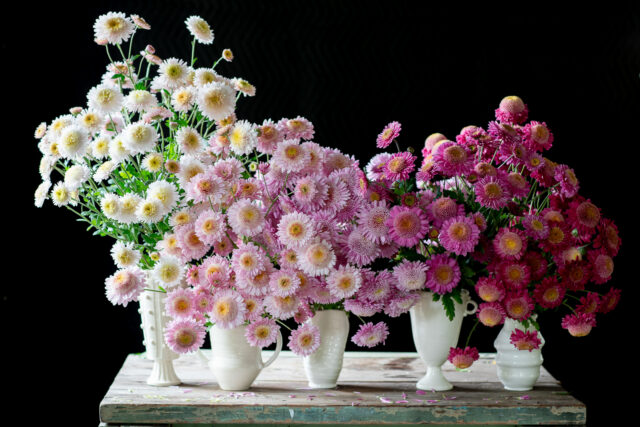 This collection includes two of my favorite things—Frances Palmer vases and mums from the Anderton series.
From left to right ‘Polar Anderton’, ‘Harry Anderton’, ‘Lily Anderton’, ‘Lynn Anderton’, and ‘Jill Anderton’.
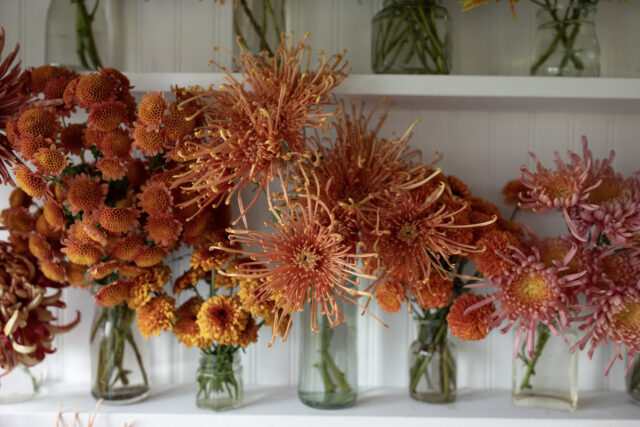
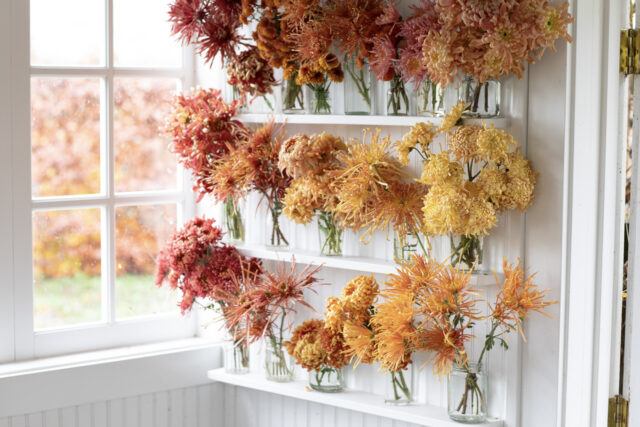
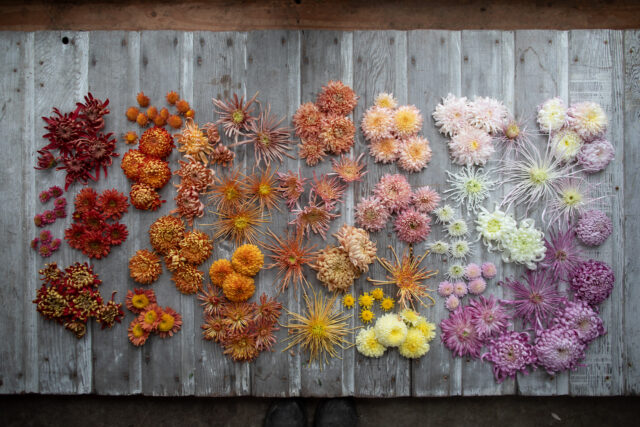
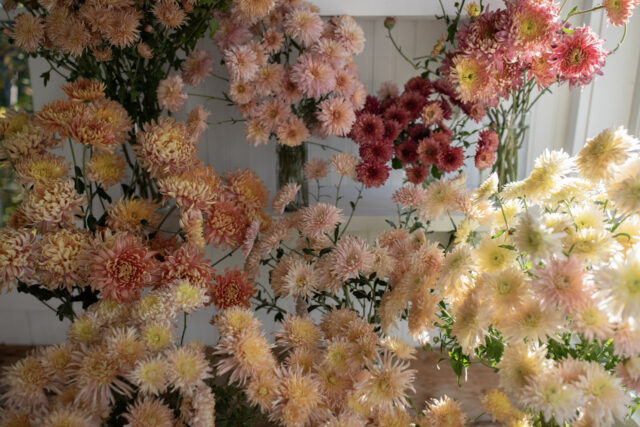
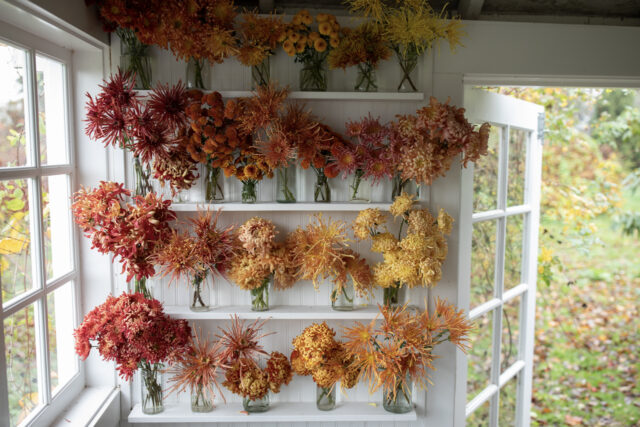 This color range is what I always associate with fall and chrysanthemums. What I love about seeing them displayed like this is that it highlights just how many different shapes and sizes there are in this family of plants. This photo showcases many of my favorite sunset-toned beauties, listed from left to right.
Top: ‘Mancetta Sunset’, ‘Ring of Fire’, ‘Judith Baker’, mystery (needs ID), ‘Saffina’, ‘Wind Dancer’
Top center: ‘Seaton’s Coffee’, ‘Nijin Bigo’, ‘Bronze Fleece’, ‘Kelvin Tattoo’, ‘Senkyo Kenshin’, ‘Kelvin Mandarin’, ‘Evening Glow’, ‘River City’
Bottom center: ‘Crimson Tide’, ‘Zaryah’, ‘Apricot Alexis’, ‘Lava’, ‘Champagne Beauty’
Bottom: ‘Fort Vancouver’, ‘Divine Music’, ‘George Couchman’, ‘Heather James’, ‘Coral Reef’
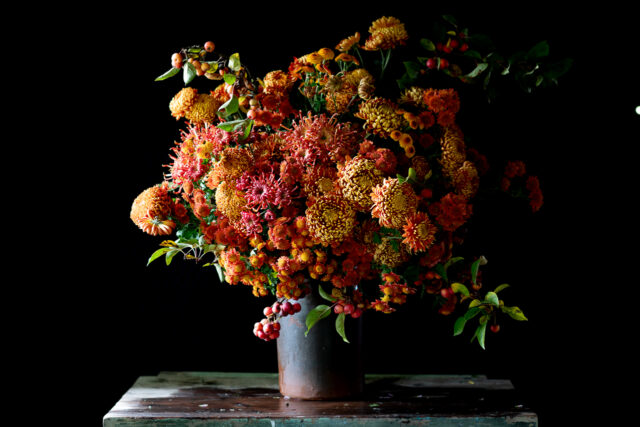 This vintage crock features branches of crabapple ‘Evereste’ and chrysanthemums ‘Heather James’, ‘George Couchman’, ‘Bronze Fleece’, ‘Kelvin Tattoo’, ‘Pumpkin’, ‘Ring of Fire’, and ‘Kotoi No Kaori’.
If you aren’t already growing chrysanthemums, I hope this post inspires you to give them a try. And if you’re already a fan, I hope you discover some new varieties to add to your collection.
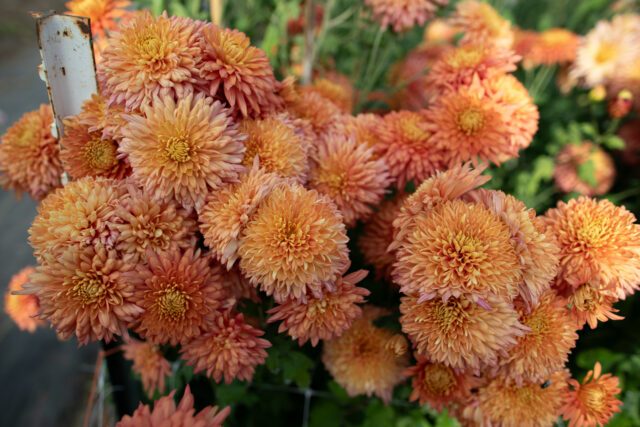 To celebrate chrysanthemum season, our friends Mandy and Steve at 3 Porch Farm have generously shared 5 collections of their favorite heirloom mum varieties for us to give away. Each collection includes 4 varieties, 3 plants of each, for a total of 12 plants per winner. Please note: This giveaway is open to U.S. residents only and live plants cannot be shipped to California, Hawaii, or Alaska.
If you missed our wonderful interview with Mandy and Steve, be sure to check it out. And if you’d like to do a deep dive into their chrysanthemum growing process, be sure to read their excellent and very detailed growing guide.
For a chance to win the giveaway, simply post a comment below telling us—chrysanthemums, love em or hate em? And if you love them, what are some of your favorite varieties or sources?
Please note: If your comment doesn’t show up right away, sit tight; we have a spam filter that requires us to approve comments before they are published.
Floret only lists companies and products that we love, use, and recommend. All opinions expressed here are our own and Floret does not offer sponsored content or accept money for editorial reviews. If you buy something using the retail links in this post, Floret may receive a small commission. Thank you for your support!

Jill Barganz on
I LOVE Mums! People in my neighborhood throw out their potted Mums at the end of October and I walk around and snag the nicest ones from the leaf piles and plant them in my flower beds. I live in Zone 5b and so far have had about 70% success rate in them staying alive and reblooming. I have no idea if they are hardy varieties or not. But I am thrilled to see them in October in bloom when everything else is gone.