
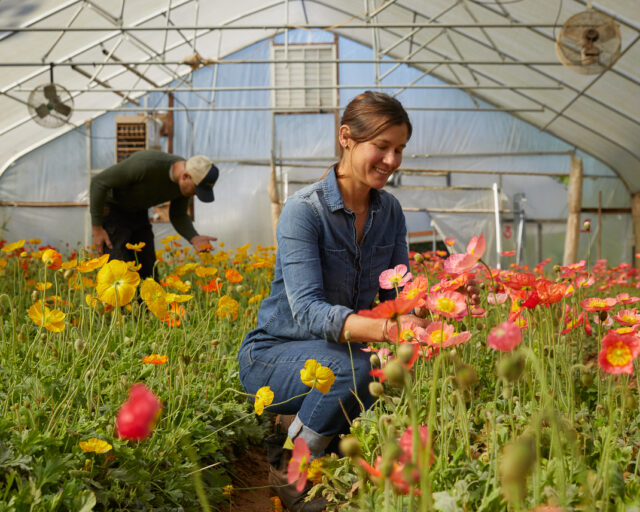
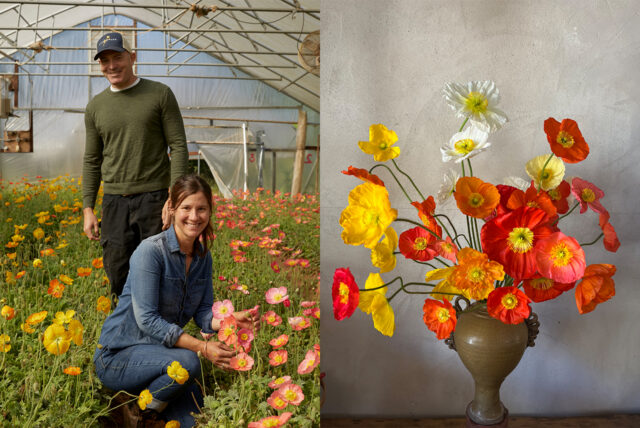
Our longtime flower farming friends Mandy and Steve O’Shea run 3 Porch Farm in Comer, Georgia, a tiny town in the northern part of the state. During the spring and autumn months, they ship thousands of organic bouquets and flower bunches all over the country, along with heirloom chrysanthemum plants, seeds, and other farm-grown treasures.
In addition to being incredibly talented growers, they are both generous with their knowledge and share their experience freely. The way they conduct their business has long been an inspiration to me and Chris, and we consider them the gold standard of what living in alignment with your beliefs looks like. They are the real deal!
 I’m thrilled to share this wonderful interview with Steve—it is one of my all-time favorites we’ve ever published here on the blog. It’s filled with beautiful stories, hard-earned wisdom, and solid advice, and will make you both laugh and get a little teary-eyed.
It’s a long one, so give yourself some time to really soak it in. Enjoy!
 Steve, your business has evolved so much over the years. Can you walk me through where you started, the different roads you’ve taken, where you are now, and what you dream about in the years to come?
We started similar to most market farms in that we did a little of everything: veggies, fruit, mushrooms, honey, preserves, flowers, design work, etc.
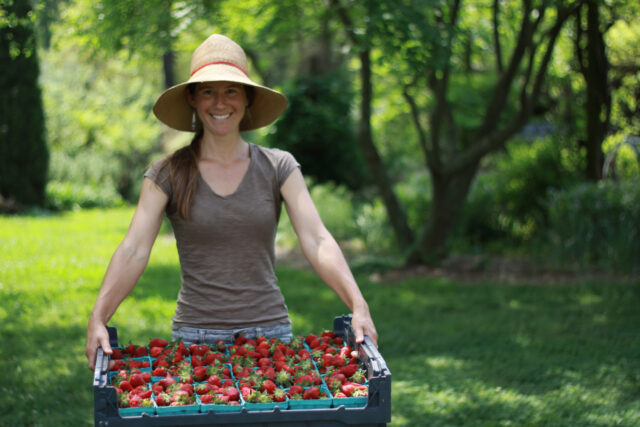
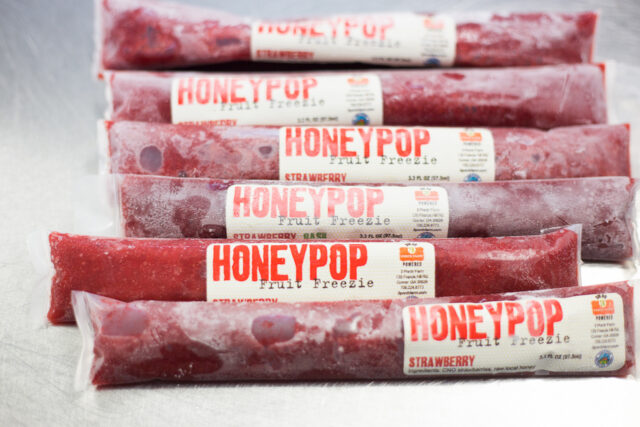
Mandy had a keen eye and knew that branding and presentation were as important as quality and integrity, so she collaborated with a designer before we even broke ground. She also stimulated our efforts to immediately add value to our perishable crops. We were quickly known as the strawberry people and the popsicle people. We made popsicles, with the only ingredients being our organic fruit and honey from our bees. It was a big hit at markets. We were famous with toddlers!
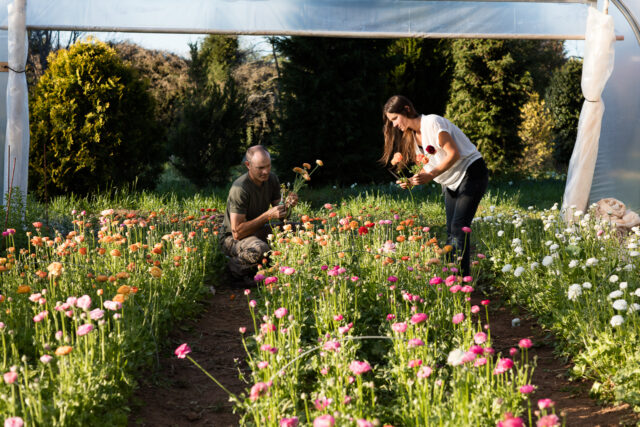
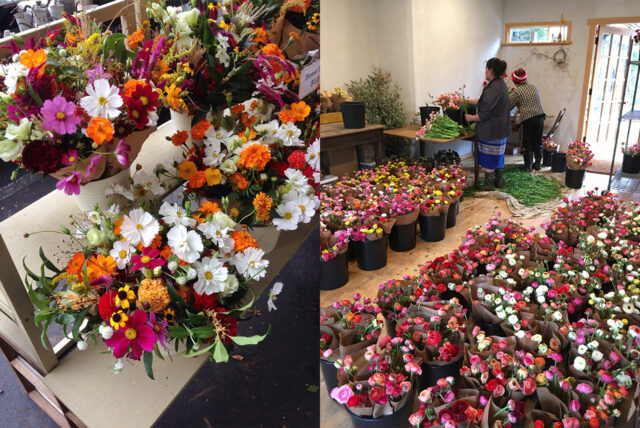 The transition to all flowers was a big leap because flowers didn’t really sell at our markets. Everyone had mason jar bouquets priced cheaply, and everyone went home with half of them unsold. We took a risk and dove in headfirst with dahlias, and something switched in the collective brains of our town’s customers when they saw a full booth of these beautiful flowers not traditionally found in the South. They gobbled them up. That was all the affirmation we needed. We dove headfirst from there and quickly expanded into Atlanta and Marietta markets.
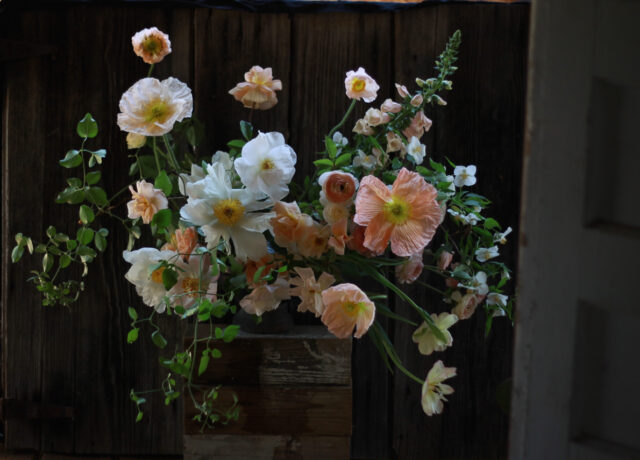
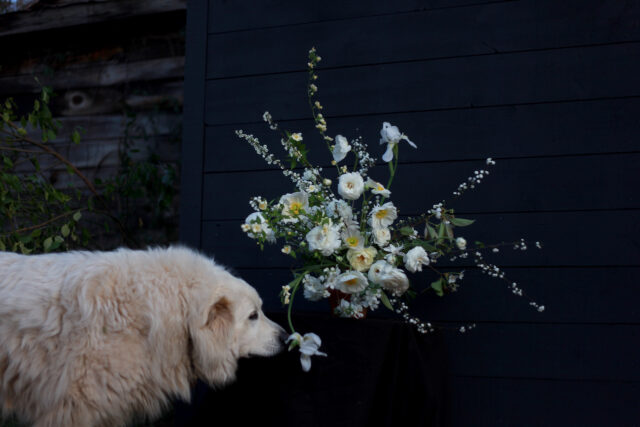
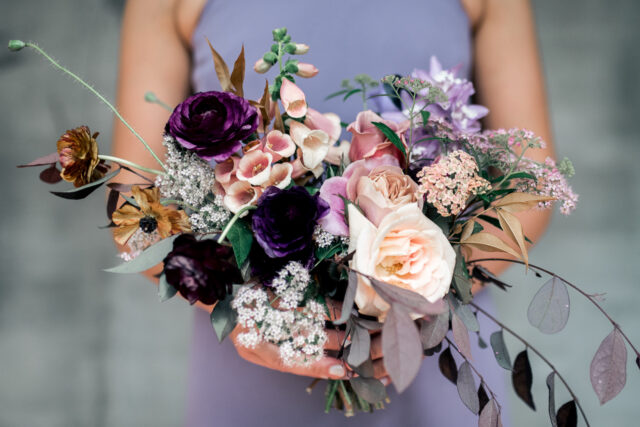 We went down the design path for a while, and Mandy was getting quite a bit of attention for her work for a few years, but ultimately she decided that the farm was where she’d rather be.
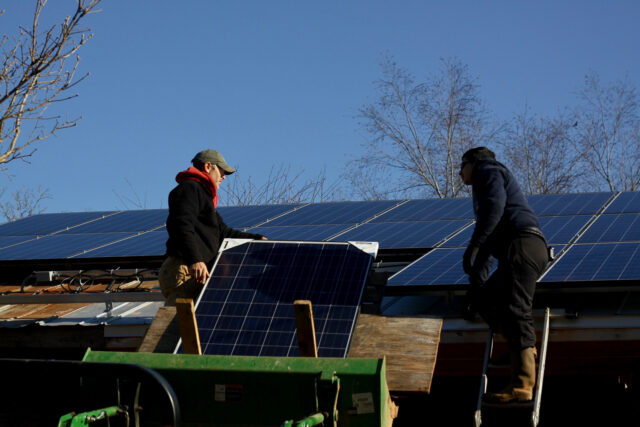
Years later, we transitioned away from farmers markets and into the domestic shipping arena, which had seriously lacked any sustainable options. We now provide that option for designers and gift givers who’d like sustainably grown and super-fresh flowers delivered with carbon offsets, priority overnight, from our door to theirs. Our facilities are powered by solar panels and all of our packaging is compostable and recyclable.
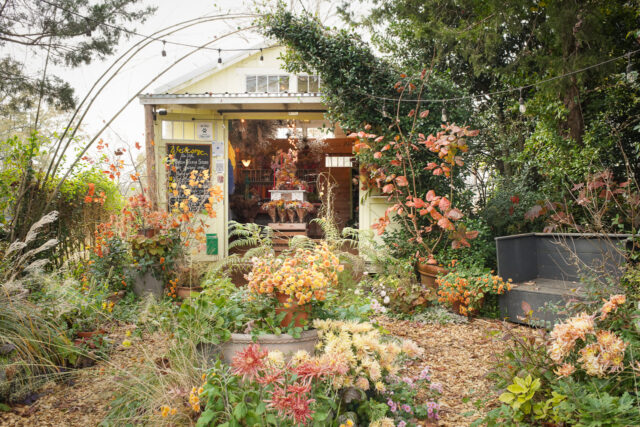
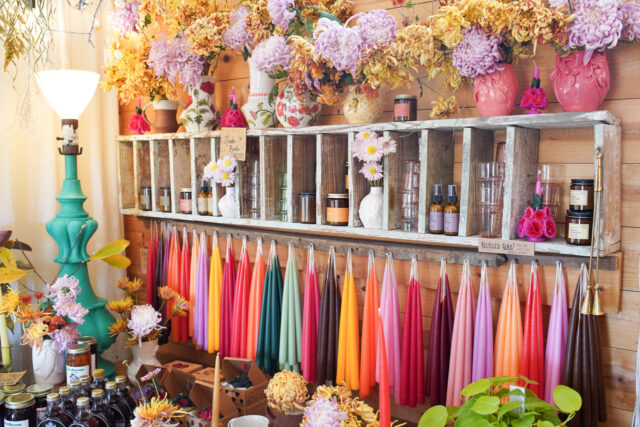
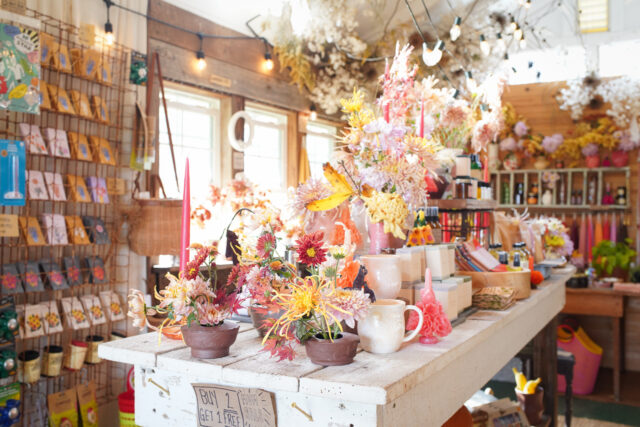 When we expanded into shipping plants a few years later, we utilized the same sustainable practices for their shipping as well. To stay connected to the local community, we also opened a seasonal farm store when we exited farmers markets, so we can get flowers to our local customers. It also allows us to feature products, artists, and businesses that we’d like to share with the world. It’s a dreamy little place filled with all sorts of warm, fuzzy vibes.
These days, we feel more adept at observing ourselves, our staff, our land, and our market and doing our best to be nimble and adaptive based on where all those things collectively point us. We try to keep it interesting, ethically grounded, and improving qualitatively as much as quantitatively.
The dream for the years to come is to ease back on the throttle a bit. Time is flying by. We need to infuse some more good times into our remaining time.
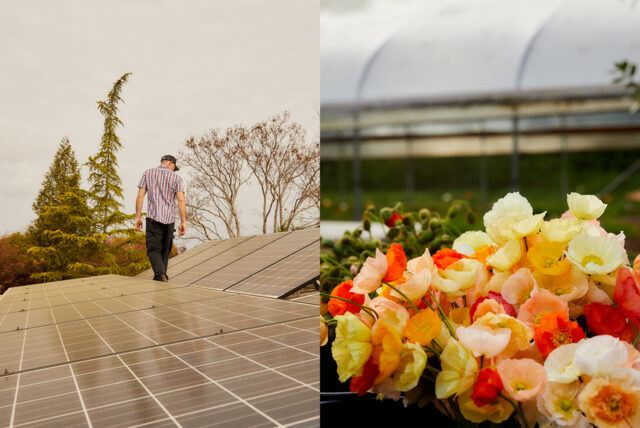
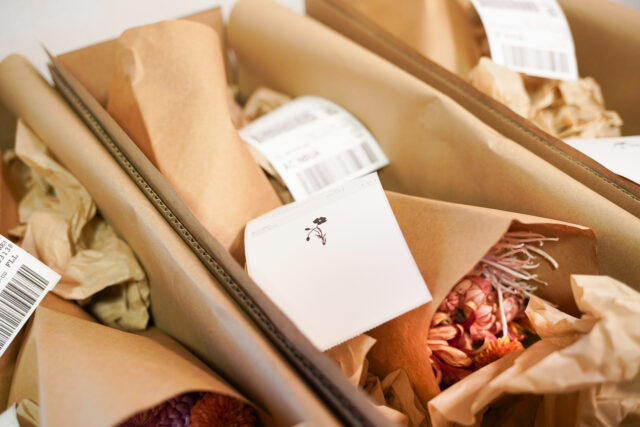 3 Porch Farm’s mission says “Be happy by doing good,” and you’ve built a remarkably sustainable operation—carbon neutral, solar powered, recyclable and biodegradable packaging, vehicles (and chainsaws!) running on recycled vegetable oil. What does it take behind the scenes to maintain that level of commitment, and how do you keep those values at the center of all you do?
We always say that we’re trying to create a little slice of the world we wish we lived in. We sure wish the world was a kinder place. We wish corporations prioritized the well-being of their employees, their communities, and natural resources above profit, but that’s not the way of the market. All we can truly impact is what and who our lives actually touch, and businesses have significantly greater impact than individuals, so we’re doing our best to make the most of that opportunity.
Truly, though, it’s gotten a lot easier now that we’ve left markets and I don’t have five large vehicles running all over the state on vegetable oil. The vehicle conversions, maintenance, repair, and fuel collection and processing, as well as the construction, maintenance, and repairs of the processing facility itself, were all enough work to be a job of its own. Not to mention all of the solar installations I was doing in the first decade.
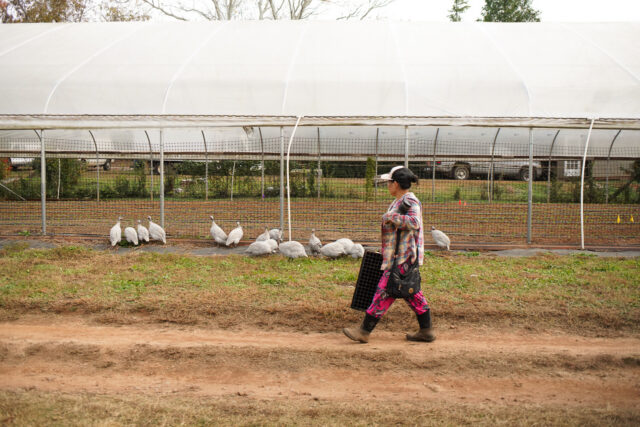 Now, we hardly leave the farm, and when we do, most of our trips are in an electric vehicle powered by excess production from our solar panels. We’ve still got a truck and van that run on recycled veggie oil, but rarely drive them anymore.
What might be viewed as martyrdom or fiscally ill-advised in the short view has turned out to be not only ethically rewarding, but also economically rewarding in the long run. We have an intensely appreciative and loyal customer base as a result of our efforts to put principles before profits, so even from a numbers perspective, it’s been worth the extra effort to try and be as responsible in all practices as possible.
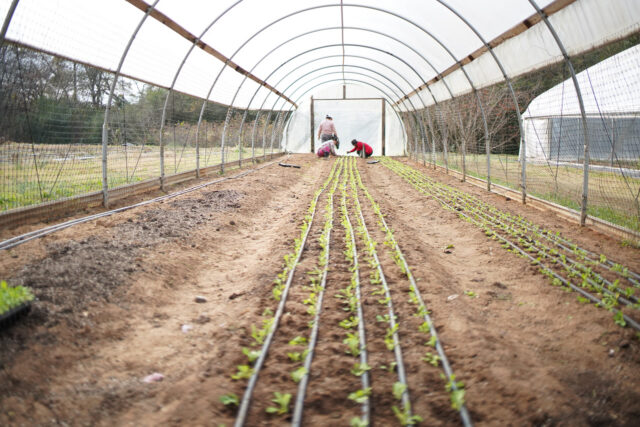
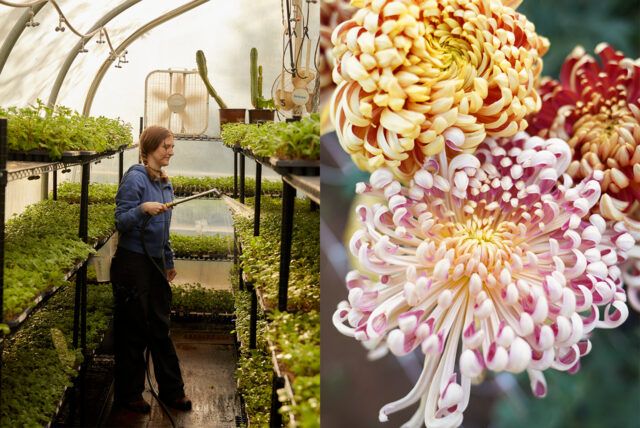 You’ve been growing organically from the start. What would you tell someone who’s trying to transition their garden to more environmentally friendly practices? Is there a misconception people have about organic growing that you encounter most often?
Gardening organically is a more mindful practice that invites you to be a part of the garden habitat, as opposed to operating as an outsider. The conventional approach is to inject fertilizer to pump up plants and to use synthetic chemicals to kill weeds and bugs with a somewhat nuclear approach.
It has the desired effects on the surface and in the short term, but it also kills the beneficial microorganisms in the soil and the pollinators and beneficial predators in the insect world. Basically, you kill your natural assistants … and that’s to say nothing of the more significant health consequences of using long-lasting synthetic chemicals in your garden.
 The organic approach is about maintaining a degree of harmony in the immediate habitat. Instead of killing soil microorganisms, you’re feeding them. They, in turn, feed your plants. The benefits of that with food are very noticeable in the flavors. You’re also maintaining a degree of balance with pests. In addition to gentler sprays, you rely a lot on predacious insects that are already in the environment to help with your pest control.
Pests aren’t erased entirely with this approach, but that’s okay. The goal isn’t to delete anything completely from the environment, but rather to attempt a dynamic equilibrium of sorts. It’s more about minimizing outbreaks by maintaining healthy populations of predators. This allows the pollinators to thrive, and they are, of course, crucial to our whole way of life on earth.
So it’s a change in philosophy, from point and shoot to observe and adapt. It’s not easy, but it grounds you more in nature and its rhythms, and that process of becoming more attuned is a wonderful pathway toward a more connected and meaningful life. It’s what all of our ancestors did as far back as gardeners go. It’s a beautiful way to connect with all of that. I highly recommend it.
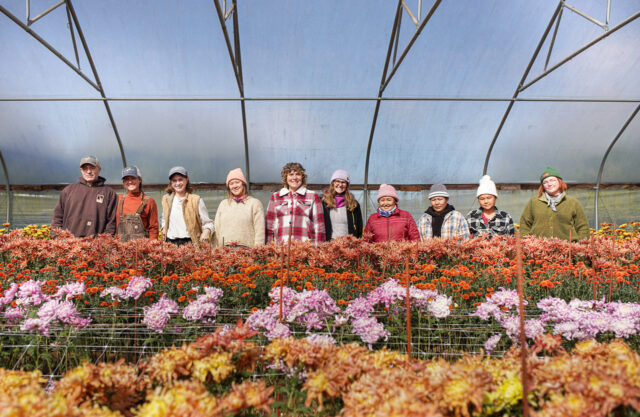
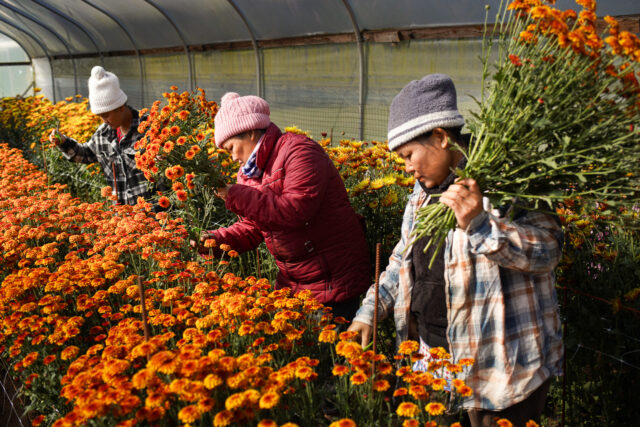
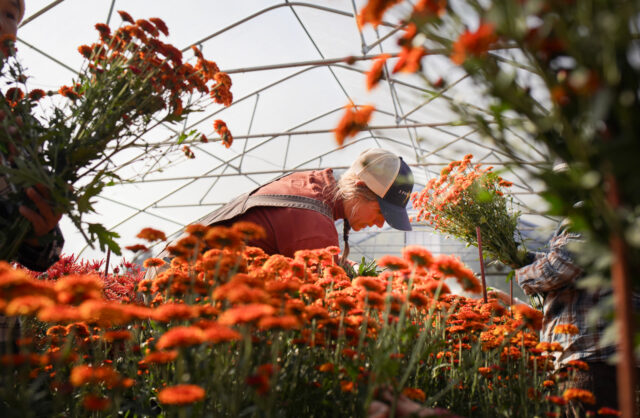 You often talk about your “small but mighty team” as extended family, and it really feels that way from the outside looking in. One of the questions we get most from our farming workshop students is how to build a great team. What have you learned about creating that kind of culture, and what advice would you give to people just starting to hire?
It really falls under our overarching approach of trying to create a little slice of the world we wish we lived in. It’s admittedly a complicated situation when dealing with all sorts of people from all kinds of backgrounds and having a clear hierarchy involved due to experience, required roles, and necessity, but our two main goals are to (1) give clear guidance and instructions, while remaining receptive to and even grateful for feedback, and (2) create a culture of kindness, individual empowerment, harmonious teamwork, and mutual respect.
Of course accountability is a critical component, and hiring appropriately matters, but we’re constantly learning how to better shape people into effective teammates while also setting the framework for kindness at the workplace. We live here. We want to live somewhere devoid of friction, where all people in our midst are treated with kindness as much as possible.
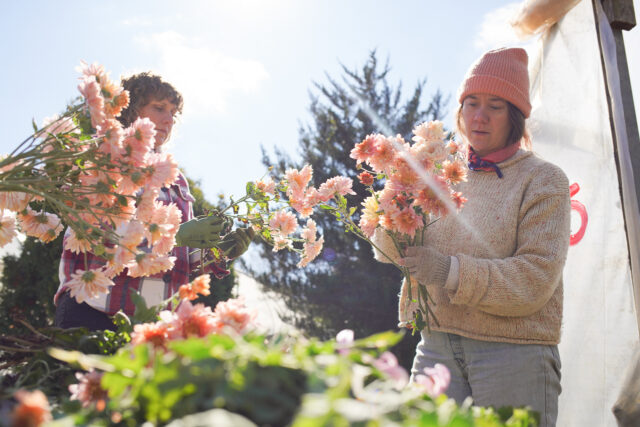
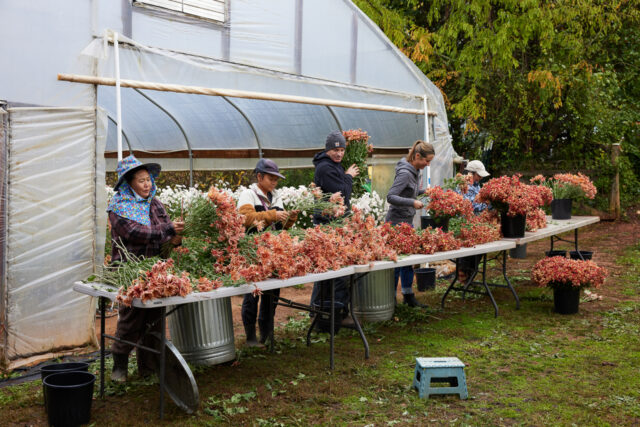 Frustrations inevitably arise, but you can’t take your frustrations out on your crew. You can’t ever expect them to know what you know, or even to know anything about what you’re going through as an overwhelmed business owner. Instructions and guidance need to be clear and meticulous. When you get frustrated, take a step back and honestly review what you might have done better in your training instead of generating frustration toward your team. A respected, appreciated, and well-informed employee is going to do a lot more for your farm than one who feels exploited, confused, or unappreciated.
Not everyone is going to be a good fit for the job, but it’s also really easy to write someone off too early. Learning to see the difference is important and is an acquired skill set.
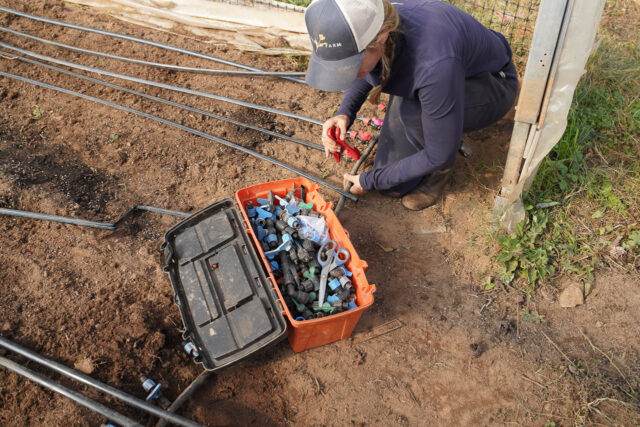
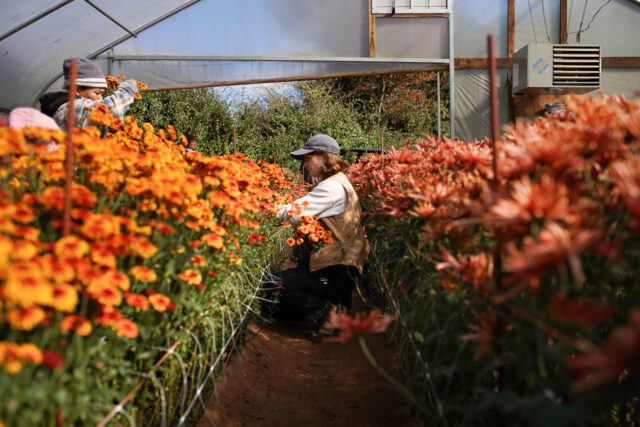 I know growing flowers in Georgia comes with its own set of challenges—the summer heat and humidity, winter freezes, and unpredictable weather. For those in the Southeast or similar growing zones, how do you work with your climate, and where do you have to get creative or adjust expectations?
Every climate has its challenges. We are fortunate to not have the intense snow loads that our friends up north have. The heat and humidity here are real though. Heat stress is incredibly intense, and it’s not for everyone. You have to have some tenacity to get through those brutal summer days in the fields. As we’ve aged and developed infrastructure and a new business model, we’ve done all we can to protect our employees and ourselves against the extremes of weather.
Summer is now our downtime. Employees work in the cooler mornings and spend hot hours in climate-controlled locations or go home early. Vacations are in the summer. That was impossible during the early stages of the farm. It became something we curated over time, and I can hardly believe we survived regular 15-hour days every day in the summers of our earlier years. I couldn’t do it now if I had to.
So the short answer is that you have to plow through it and take your licks up front in order to get a farm established, but the wise move is to find a way to blunt the sharpest edges of those realities however you can as your farm grows. That’s going to look different from one farm to the next, so remain as perceptive and flexible as you can while your farm grows. Tenacity is an ally. Stubbornness is not. They can feel similar. Learn the difference internally and it will serve you well.
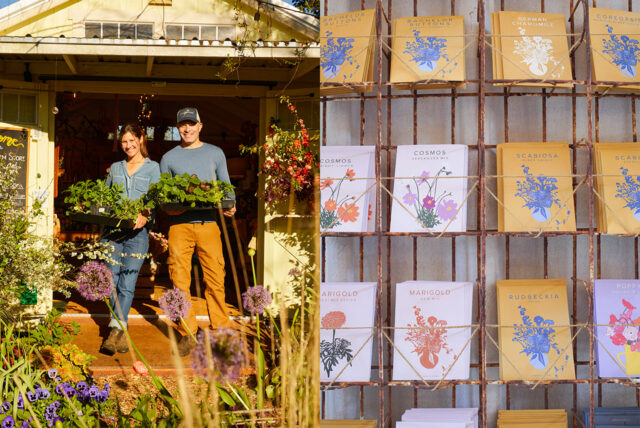
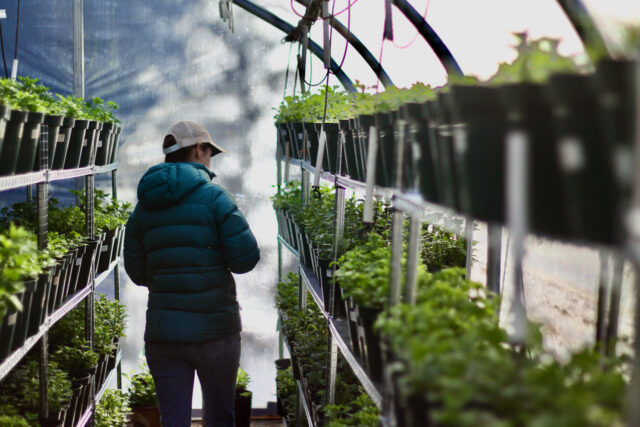
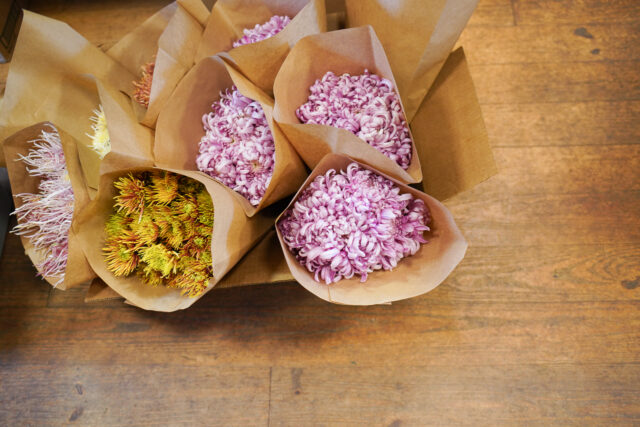 In 2020, you started shipping plants, seeds, and fresh cut blooms across the country, and now your shop includes everything from seed packets to hellebore starts to chrysanthemum cuttings to dahlia tubers to an incredible range of cut flowers like Iceland poppies, anemones, ranunculus, and mums. What led you to take that leap, and what has the experience been like?
That was a big one. Mandy’s dad, Tony, who was just the best person you could ever imagine, had an emergency surgery removing part of his lung due to an unexpected cancer diagnosis, right as lockdown for Covid started. They sent him home and told us that if he was exposed to the illness he would die, and to not bring him back to the hospital. Mandy, who had spent the last decade working 90-hour weeks year-round, all of a sudden was gone from the farm. The hospital visit went from an afternoon appointment to her not returning home for months. She became his live-in nurse, cared for him day and night, removed his stitches … everything. It was wild to see how quickly our priorities shifted from “the farm is everything” to “the farm is secondary.”
We couldn’t expose him, so we couldn’t do markets, which had been our lives for a decade. Our staff was scared, and we couldn’t ask them to do what we wouldn’t, so we gave them all paid time off and stopped markets entirely.
We were in debt from winter investments, had tunnels absolutely full of flowers, tens of thousands of garden starts for our massive annual plant sale (canceled due to lockdown), had no active employees, and no farmers markets anymore. We went from seven full-time and nine part-time employees to just me and a farm full of highly perishable products.
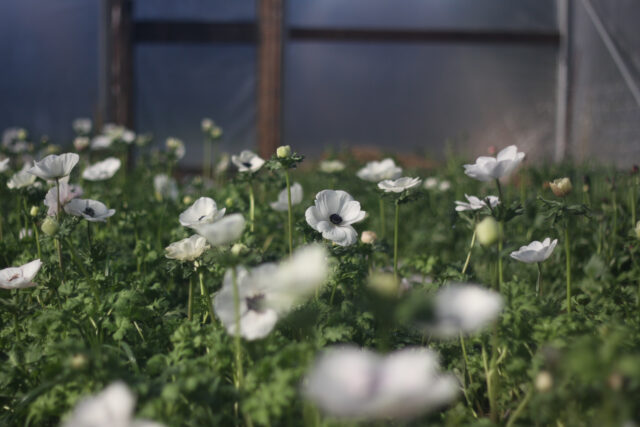 Swimming in all kinds of panic, I called Mandy from the now hauntingly silent farm and suggested I could try and ship flowers in some boxes we had in storage. It was a hail Mary, and we had nothing to lose and everything to lose.
On board with the idea, she frantically put together a website and we ran ourselves ragged for the next few months creating a flower-shipping business. I don’t think she slept at all between caring for her dad, working with app designers and web developers, posting about the new shipping options, and responding to customer DMs and emails, etc. Her hair began to gray and she got really thin. I too lost about 30 pounds, and I was already pretty thin to start. Lucky for me, I couldn’t go gray, because I was already bald!
It was beautiful to see a woman, so driven in every fiber of her being to build this lifelong dream of having a farm, willing to give it all up in a literal moment’s notice in order to take care of someone she loved. It was a selflessness of extreme depth. I wanted to support that and give her that space to love and help her parents, and to be able to support them myself by taking the burden of the farm off of her.
If possible, though, I also wanted to work so hard that it didn’t have to be an either/or. To make it so we could save the farm, to provide her with the space to help her dad heal, to make sure our employees had jobs to come back to, and to weather the storm as resiliently as possible. Every waking moment was a meditation in digging deep, finding the right volition, and plunging forward with that as my fuel.
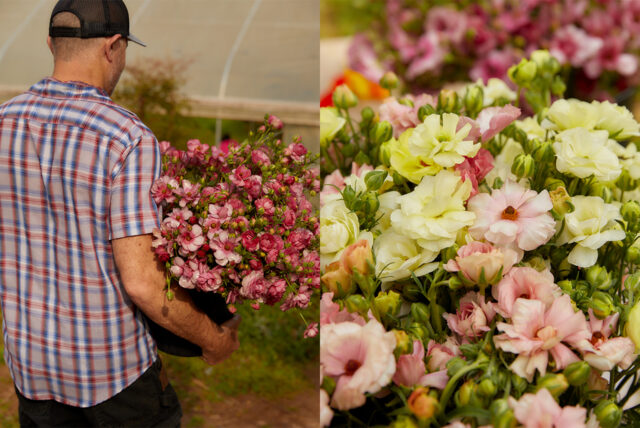 I’d work from 7:00 a.m. until midnight. Running from the tunnels to the fields, harvesting poppies, ranunculus, tulips, daffodils, anemones, hellebores, and snaps. Watering, bundling, printing labels, packaging, running full boxes across the farm eight at a time, trying to do up to 90 orders a day. Loading up FedEx, then running back to the studio to bundle flowers all night for the next day’s shipments. I did not walk that whole time. Every step taken was running. Adrenaline and a heightened sense of urgency and responsibility fueled every action.
Eventually, some staff returned in limited and isolated roles, freeing me from some harvests and plant care and emails and allowing me to focus more on the bundling, packaging, and shipping, as well as creating a remote setup for a plant sale pickup in order to move some plants that we were now selling online. We eventually turned that space into our farm store.
It was a massive crash course in rapid transition and resilience. In an instant, we upended a decade-long business that was firmly established in face-to-face contact with all customers to one that was 100 percent based on digital purchases.
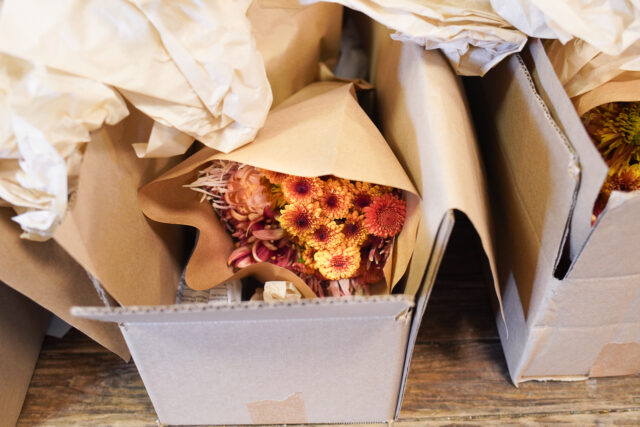 When the dust settled and some semblance of normalcy returned, we found that there was so much beauty to our new business model that we hadn’t anticipated.
First, we were no longer competing with other organic local growers. We were now competing with the worst polluters in the industry.
We may have been the most sustainable flower farm in our area due to our fuel and energy practices, but ultimately we were just outcompeting other small, local, organic growers. When we stepped out of farmers markets, we saw countless veggie farms expand into flowers and take all the market share we once held. They were flourishing in ways they hadn’t been able to before, and that felt really good.
Conversely, any market share we take now is from international growers who rely on the most carbon-intensive and pesticide-heavy practices possible, often exploitative of vulnerable labor forces.
We’re a drop in the bucket, but the net positive of our farm’s impact increased significantly when we got out of local markets and became the greenest option available for shipped flowers in 47 states.
 Another benefit is that we no longer lose a massive amount of product. Farmers markets require you to have a full booth of flowers for pretty much the whole year. Much of that time, you don’t sell 20 to 30 percent of what you bring. Festivals, storms, parades, and sporting events can all make that loss even higher. So no matter how good a growing season you had, you are still losing a significant chunk of your already tiny margins due to that fact. In the best year, it’s hard to find much left to pay yourself with.
Not only are margins improved with our newer approach, but we’re also more flexible seasonally. We no longer have to grow summer flowers, which for us were never profitable. Summer flowers in Georgia are easier to grow, therefore they are cheaper, and therefore there’s no profit in them.
As a market grower, you need to maintain your booth at a market, so you have to come big, even if it is all a wash. The whole summer season was really just an exhausting placeholder for us. Now that we don’t need to maintain a booth at three markets, we’ve stopped growing summer flowers. We use that time to tend more valuable fall crops, build and repair infrastructure, catch up on admin, and give ourselves and our crew time to rest and rejuvenate.
It’s been a game changer that has allowed us to increase wages and bonuses for our crew and to add an element of self-care to our own lives. We feel more human. It was a very unexpected silver lining to an extremely challenging time.
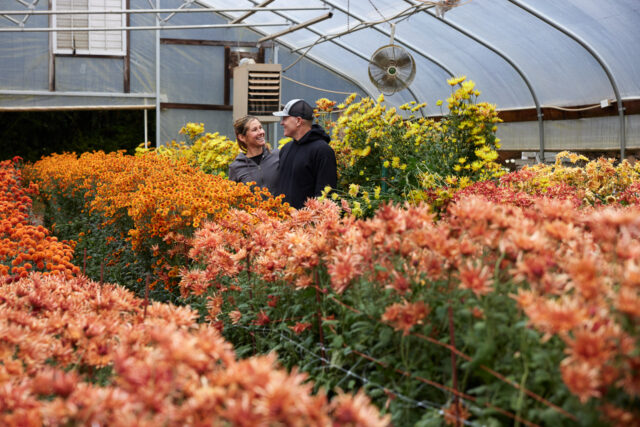
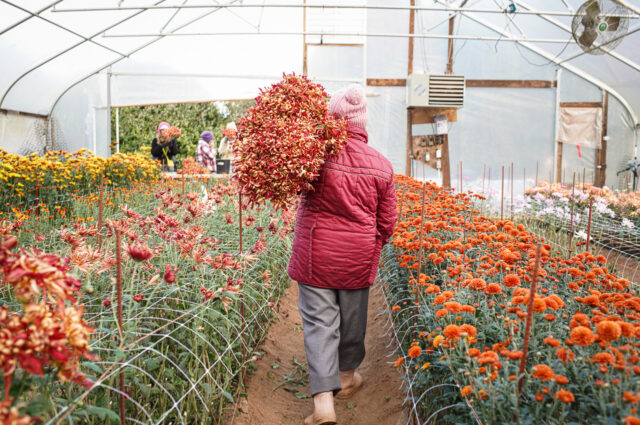
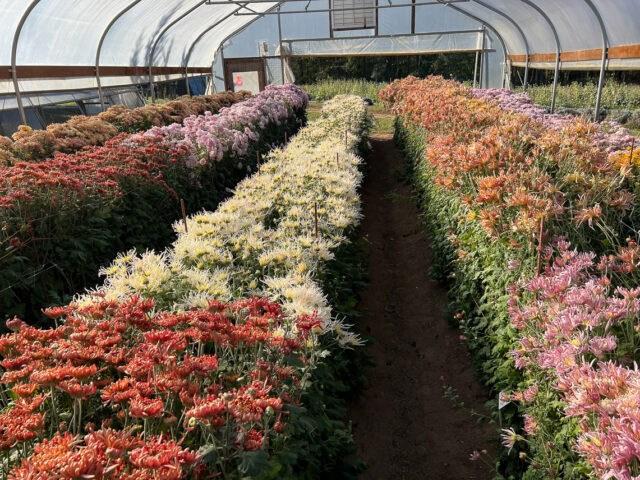
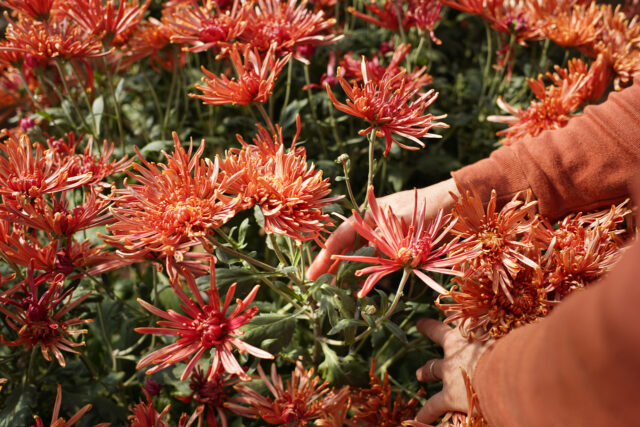
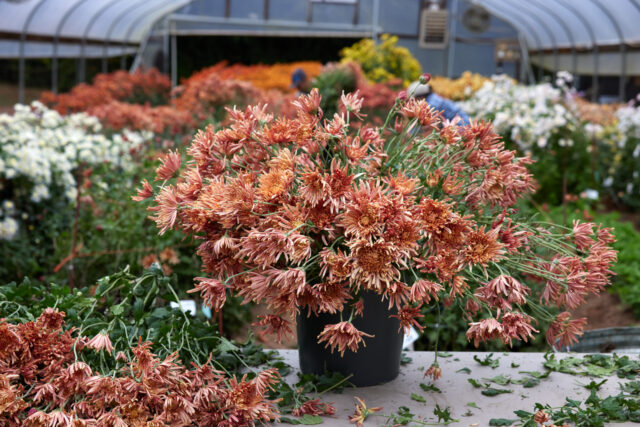 You’ve helped to revive interest in heirloom chrysanthemums and noted that when you started, they were almost a punchline. Now people have discovered “that the right ones are truly stunning and a great addition to the farm and garden.” I grow more in love with these flowers each year and am so grateful for the beauty they provide in the late autumn. What drew you to champion chrysanthemums, and what do you think more people should know about them? Do you have a few favorite varieties?
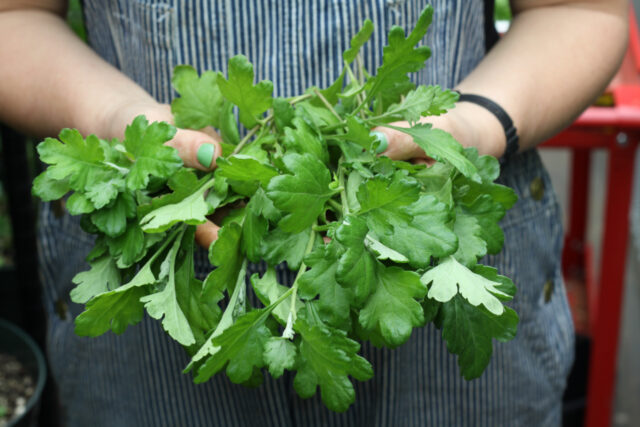
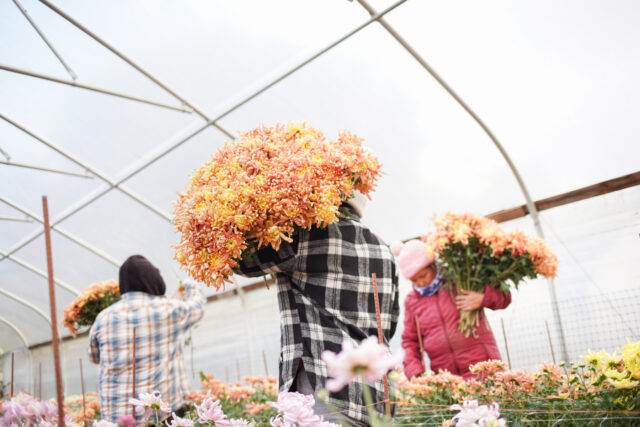
Quite literally, you were a big reason for us getting involved in mums. In the early days of our farm, Floret and Jennie Love were active on social media and in print, talking up the attributes of heirloom chrysanthemums. Being in farmers markets that went all the way through December, we desperately needed something to sell in November and December, and mums became that staple product that grew late in the season, stored forever in a cooler, maintained 3 weeks in a vase, and had colors that evoked autumn in November and others that could pair well with evergreens to make holiday arrangements in December. They really got us through tough times.
The more time passed, the more we ran through countless varieties and discovered which ones were most productive, had strong stems, had long stems, were great focal or accent flowers, held up well in a vase, and just all around were ideal for use as a cut flower. So many that we tried looked good in a catalog or online, but didn’t translate well as a cut flower in real life. After weeding through all those varieties for more than a decade, our enthusiasm for the varieties we loved was significant, and Mandy often shared her affection for them via socials.
 We began being inundated by requests from other growers for access to these varieties. The mum cutting market for so long was mainly just one company that seemed perpetually sold out. Growers were desperate for other resources and kept asking us if we could help.
So, we decided that was as clear a sign as any and began to build our program and systems for rooting out and shipping cuttings of all our favorite varieties to other growers. It’s been a really fun evolution on our farm. It’s also been fun to come full circle and actually get to send mums back to Floret, 14 or so years after you introduced us to them.
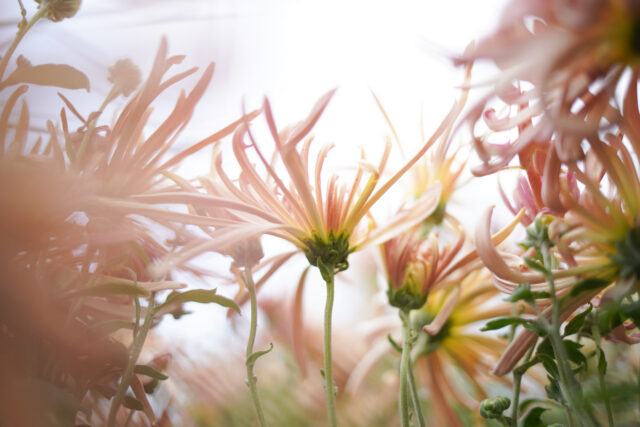
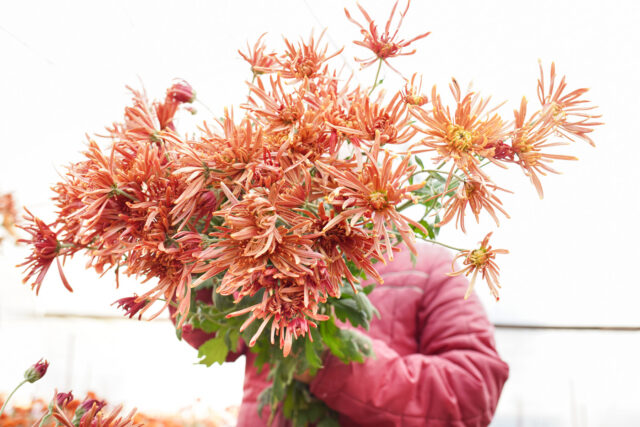
A few of Mandy’s favorites are ‘Vesuvio’, ‘River City’ (pictured above, middle), ‘Saffina’, and ‘Seaton’s Coffee’ (pictured above, bottom).
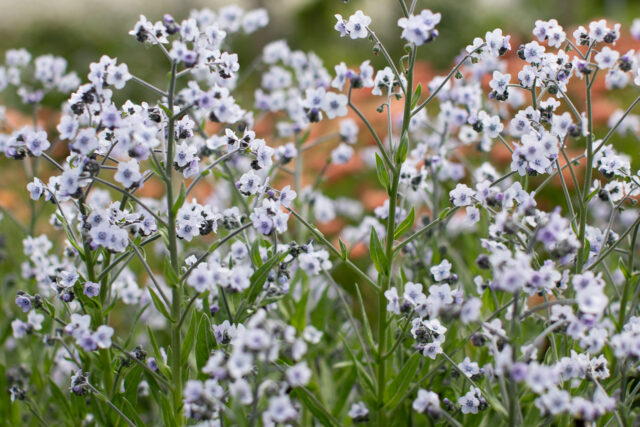
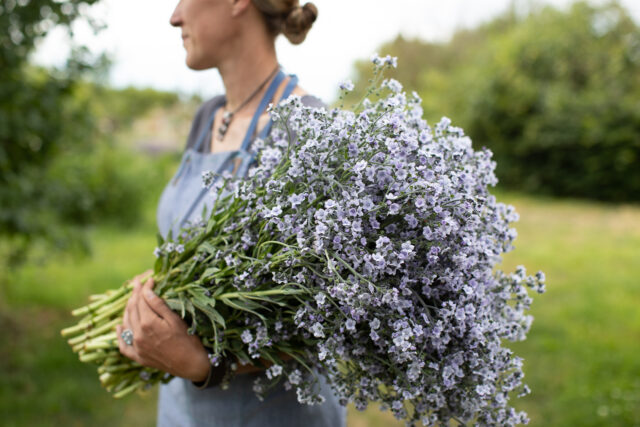 You bred a unique and stunning Chinese forget-me-not named ‘Ms. Marilyn’. It has a beautiful story that I’d love to have you share here. Did you enjoy the breeding process, and do you think there will ever be more 3 Porch Farm varieties to share with the world?
Ms. Marilyn was my dad’s first cousin, but she felt more like your favorite aunt. The fun, cool aunt you wanted at the party. An Irish woman with all the charm and good nature that good island is known for, she lit up every room she was in and made everyone feel like they were her favorite person. She married Mandy and me under a beautiful oak tree on the top of a tall hill, deep in the Mendocino woods, overlooking hundreds of acres of woodlands, surrounded by our loved ones.
When she passed, years later, her husband shared flower seeds with everyone at the service. Mandy planted them back at the farm and noticed a rare and beautiful lavender flower amid all the more common blue-colored forget-me-nots. The symbolism of that one flower’s unique charms potentially being carried on and shared in perpetuity struck Mandy, and she began a 5-year process of selecting for that lavender flower until it bred completely true. It was such a beautiful way to honor a beautiful person.
Marilyn, being a San Francisco–raised daughter of Irish immigrants, upon first introduction was immediately charmed by Mandy and her Southern habit of referring to familiar adults by adding Ms. (miss) to their first name. Somehow a blend of formality and respect with familiarity and warmth. Marilyn loved it. When we asked her husband Tom what he’d like to name the new flower, he immediately said “Ms. Marilyn,” in honor of the bond she shared with Mandy.
We are delighted to have Marilyn dancing and laughing and just generally bringing good cheer in gardens across the U.S. and even in the U.K. My cousins in Ireland have her in their gardens now too, and because of Floret, an English grower now sells her seeds to gardeners across the pond. We couldn’t think of a better and more appropriate way for her good name to carry on in this world.
 She also gave us some gifts in this process as well. One unexpected gift was that I was asked to play guitar and sing at her service, which I had foregone for over a decade to focus on farming. Not wanting to do a disservice, I practiced and practiced, and it rekindled an old relationship with music that I’m really grateful for. That refound hobby, once abandoned for farming, now gives me a welcome retreat from the work of the farm, which in turn builds me back up in a way that helps me recommit to our daily work out here.
The second gift was that it nudged us into thinking more about breeding and selecting for new flower varieties, and those inclinations have continued to grow over the last few years.
So, to your last question, yes … we are excited to say that we do have some projects in the works that we’re eager to unveil over the next few years. Working with flowers is a gift in many ways, but developing new varieties of flowers introduces a whole new excitement and giddiness I hadn’t anticipated.
The beginning stage can at times be a bit like playing a slot machine, where you are hoping for something and you pull the lever and wait to see what combination arrives … but instead of 5 seconds, you have to wait a whole year. It makes the eventual unfurling of petals so enthralling. That, followed by the deliberate and fastidious steps required to inch your way, day by day, year by year, to an “end goal” that is the manifestation of a true collaboration between you, a flower, the sun, the rain, and a bee or fly … it’s really a beautiful and quite magical thing.
 This past fall, you traveled to Holland with a group of flower farmers to visit the Royal FloraHolland flower auction and some of the largest flower growers, breeders, seed producers, and brokers in the world. What were some of the highlights and biggest takeaways from that trip?
Wow! It was unbelievable, and I don’t think I could even process all that I was seeing in the moment. Being so immersed in the world of small farms for 20 years, your mind develops a very clear understanding of what farming is. To be transported into the operations in Holland was really like being teleported to another universe, where everything is completely different, yet some threads are oddly familiar. It felt sci-fi. Like if the Jetsons ran the flower industry.
As for takeaways, they may have been more subtle or existential. I don’t see visions of robot workers as the future of our farm at any point. It was fun to see what exists out there. We couldn’t have begun to imagine the reality of the scale of Holland’s auction houses and the mind-blowingly elaborate and complex mechanized and human-powered systems they have developed over the generations.
We loved the opportunity to see it, to be with other growers, to spend time with our friends at Farmer Bailey, and to catch little glimpses of things that might inform our approach to this or that in some way. Mandy thought it was cool to see that, amid all the lasers and AI, there were still some very analog processes, particularly in the seed-cleaning and testing facilities. It also made an impression to see, from seed to vase, just how much energy and transportation happens in the greater flower industry. Those things go all over the place. They travel more in their short lives than most humans do in their whole lives. That made us realize even more how special the domestic, small-scale flower farmer phenomenon (thanks in no small part to Floret) truly is. It also made us want to save our own seed and breed our own varieties even more. We love being a small business. We love being one of many. There’s strength in that. Collective resilience.
 I’m always happy to see your newsletter, “Notes From the Farm,” in my inbox, and I often cite it as an example of how newsletters should be done. You somehow strike a balance between sharing from the heart, letting people know what you’re offering, giving helpful growing information, and keeping it personal rather than promotional. How do you approach that writing, and where does that storytelling instinct come from?
That’s a very kind assessment, thank you. Mandy told our story brilliantly and honestly for years on Instagram. I was always amazed and impressed with how well she shared both the beauty and the reality of our life out here on the farm. The demands of that storytelling were life-stunting though. Way too much time devoted to Instagram and Facebook, and as the algorithms neutered the effects more and more, it started to be a trade-off that was too hard to justify.
She eventually asked if I could take on that task of outreach through a newsletter, to free her up to focus more on farming instead of posting about farming. It’s a lot faster for me to take an hour to write a weekly newsletter than it is for her to post images and videos, and thumb-type a bunch of stories all week, and try to keep up with all the social activity that follows all day and night … and still try to work 80-hour weeks on top of that … and find time to eat and sleep. A newsletter is more effective and more efficient, so it made sense to switch focus and put our energy there.
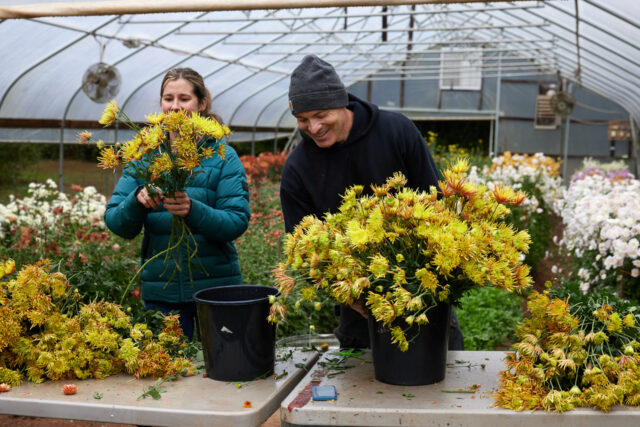 Now that I’m the one babbling, my intent as the teller is basically just to try and find something worth sharing and attempt to be generous in the telling. I’m pretty “heart on sleeve,” and the goal is to share a clear window into the heart of a farm and a farmer, so I write without much forethought or self-editing and try to cultivate something approaching stream of consciousness.
It’s rife with grammatical imperfections, but if it’s either helpful or amusing in some way, I don’t really care if the form is tip-top. Sometimes it works better than others. Sometimes the well is just dry.
The newsletter only goes to people who truly care about what we’re doing for some reason or other, so I try to speak to who I think is out there. I try to share info with other growers, stories about my/our experience on the farm, both positive and negative, random observations, cool things in the local community or in the online community, provide info about what’s coming for folks who want first access to new products, and give at least as much as I hope to get.
A newsletter, though a marketing strategy, can’t be a blatant attempt to beg for sales constantly or it’s a turnoff. It’s like any other relationship. It has to go both ways for it to be successful.
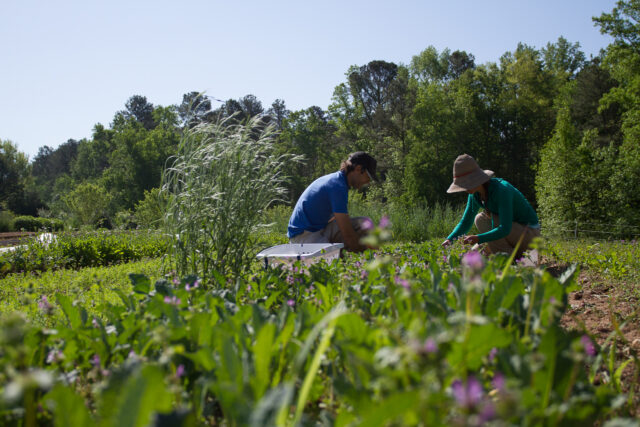 You’ve been farming long enough to have accumulated plenty of wisdom, even if you’re not quite the “old guard” yet. What do you wish someone had told you when you were just starting out? And what advice would you share with growers who are further along but feeling the pull to shift direction or try something new?
I don’t know what anyone could have told us … at least that we would’ve listened to. People told us all kinds of stuff we ignored. Some for better, some for worse.
Trying to build a successful small farm from scratch is a massive undertaking. The process requires a lot of resilience and repeatedly humbles you. You almost need an unrealistic belief in your ability to be successful in order to get started, because a realistic understanding of the challenges would be enough to prevent most people from ever trying. The same can be said about a lot of life’s most valuable experiences though.
We kind of had to explore the boundaries of our own stubbornness to discover which expectations were unrealistic and to learn how to adapt to an ever-changing world. We also had to learn our land and learn the unique market we were in extremely well to be able to discern where our angles were. That takes time and experience.
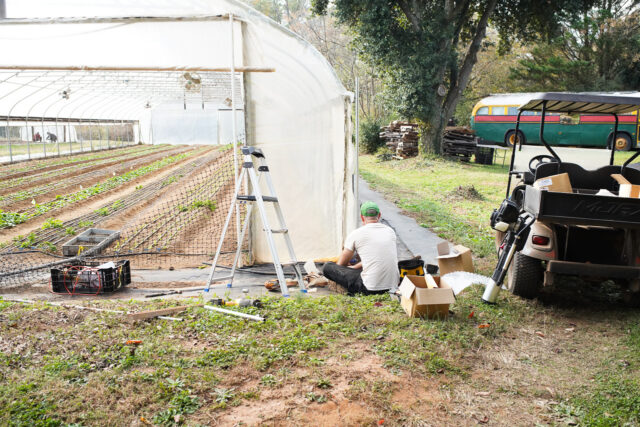
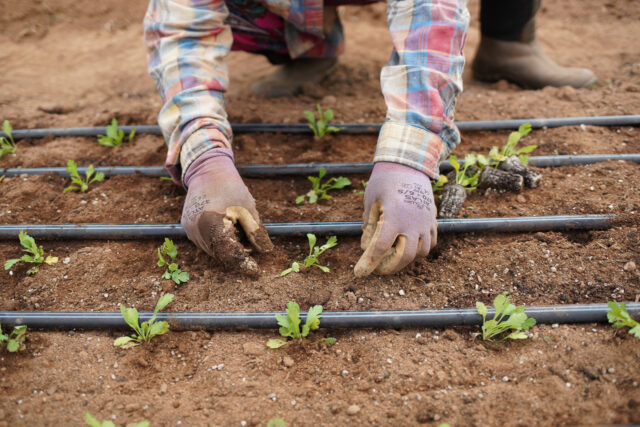 If we would have had a ton of money, land, and help when we started, I don’t think we’d have done as well in developing this farm as we did coming from a place of scarcity. Your limitations in resources can actually be helpful. So many of our best decisions were pivots in response to obstacles that seemed devastating at first glance. Those obstacles can be your best teachers if you let them.
The best advice I’d give to the folks coming up behind us is to develop a practice of self-awareness at the personal level and at the business level. If you can’t ground yourself, you can’t ground your business. If you can’t see the terrain clearly, you can’t effectively navigate toward your goals.
Take time to recalibrate the goals of your business every season and definitely every year. Blindly running in the same direction without stopping to breathe and reevaluate where you’re going and why you are going there won’t give the results you’re hoping for.
Recalibrate your personal goals, assess your individual strengths, revisit the big “Why” of it all, then rebuild the business outward from there. We do it every year.
This is such great advice. Steve, thank you so much for sharing your hard-earned wisdom and for being such a wonderful role model for the flower farming community.
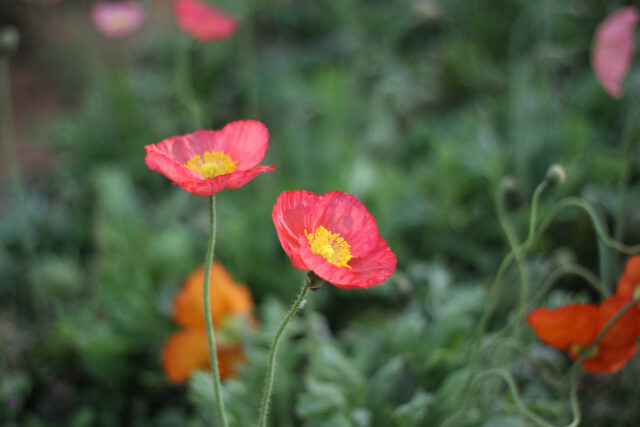
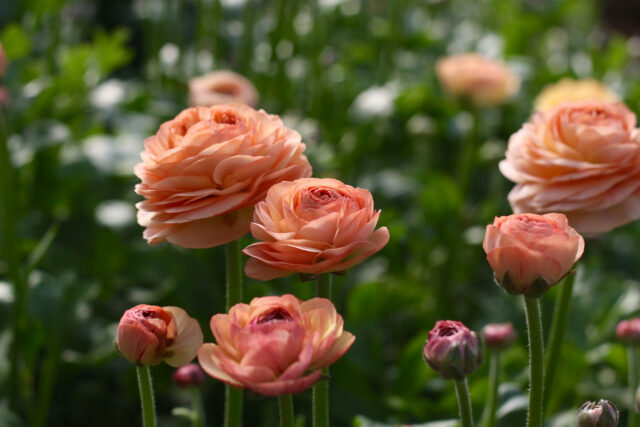
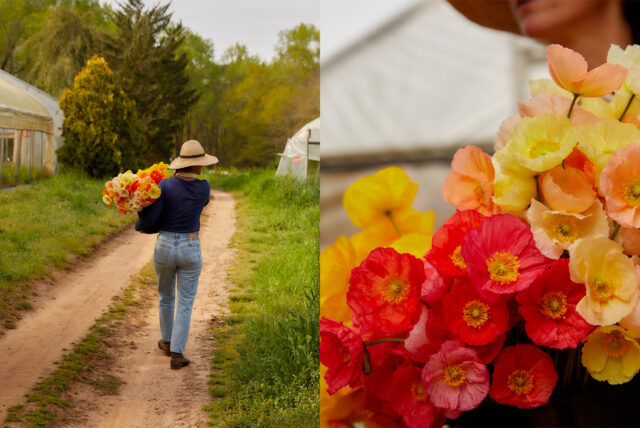 Spring has arrived in Georgia, and 3 Porch Farm is in full, rolling bloom. Mandy and Steve have generously offered to ship a glorious bundle of their Iceland poppies to three lucky blog readers! For a chance to win, leave a comment telling us your favorite part of the interview. Winners will be announced on March 31. (Please note that, due to Department of Agriculture rules, poppies cannot be shipped to California, Hawaii, or Alaska, but winners from those states can choose to ship flowers to a loved one in another state.)
To learn more and connect with 3 Porch Farm, be sure to visit their website, sign up for their fantastic newsletter, and follow them on Instagram and Facebook.
Please note: If your comment doesn’t show up right away, sit tight; we have a spam filter that requires us to approve comments before they are published.

Join the Conversation